
.jpeg)
How effective is selumetinib in the treatment of glioma?
Selumetinib As a selective small molecule inhibitor targetingMEK1/2 protein, selumetinib has been increasingly studied in the treatment of various solid tumors in recent years, especially in glioma, a central nervous system tumor type with high incidence and extremely high recurrence rate. It has shown certain efficacy and prospects. Brain gliomas include multiple types, among which glioblastoma multiforme (GBM) is the most malignant and often has a poor prognosis. Although traditional treatment methods such as surgery, radiotherapy and chemotherapy combinations have certain effects, the treatment effects are often limited due to high tumor heterogeneity, complex molecular mechanisms, and the special barrier structure of brain tissue. In this context, precision treatment strategies targeting molecular pathways have become a research hotspot. Selumetinib is one of the core drugs being explored in the treatment of glioma under this trend.
Selumetinib interferes with the MAPK/ERK signaling pathway by inhibiting the kinase activity ofMEK enzyme. This pathway is highly active in a variety of gliomas, especially in patients carrying key driver gene mutations such as RAS, RAF, and NF1. Abnormal activation of this pathway is considered to be closely related to excessive cell proliferation, apoptosis inhibition, and resistance to radiotherapy and chemotherapy. Studies have found that selumetinib can effectively block the phosphorylation process of MEK1/2, thereby downregulating ERK signaling, thereby inhibiting the growth and proliferation of tumor cells. Its unique mechanism allows it to not only target glioma subtypes carrying KRAS mutations, but also show significant responsiveness in low-grade gliomas with NF1 inactivation.
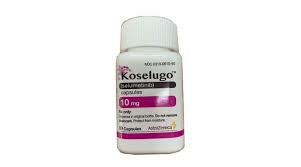
In addition, unlike many traditional small molecule drugs, selumetinib has a certain ability to cross the blood-brain barrier, which is crucial for the treatment of solid brain tumors. Although many drugs show good effects in in vitro experiments, their clinical application is limited due to their inability to effectively enter the central nervous system. Selumetinib has been shown in clinical studies to be absorbed by brain tissue and reach a certain concentration, forming an effective effect on the tumor site. This feature makes it more competitive in the treatment of glioma.
In multiple early clinical studies, selumetinib has shown positive efficacy in low-grade gliomas in children and adolescents, especially in NF1-related low-grade gliomas. Its overall response rate is better than traditional therapies and is well tolerated. Its side effect spectrum is relatively mild, mainly including rash, fatigue, diarrhea, etc., and severe bone marrow suppression or liver and kidney function damage is rare, so it also provides the feasibility of long-term maintenance treatment. Although the single-drug application in high-grade brain gliomas, especially glioblastoma, has not yet achieved a complete breakthrough, its combined use with other treatments such as radiotherapy, anti-angiogenic drugs and immunotherapy has become a new direction in clinical research.
On multiple overseas clinical trial registration platforms, research on the application of selumetinib in brain glioma is still being updated, including its combination with anti-bacterial drugsStudies on the combined use of PD-1 immune checkpoint inhibitors, bevacizumab, etc., these combination strategies have high hopes. There are early data showing that combination therapy can enhance the immune response of the tumor microenvironment while inhibiting tumor angiogenesis and cell proliferation, further expanding the scope of efficacy.
It is worth noting that selumetinib has been approved by the FDA in the United States for the treatment of symptomatic plexiform neurofibromas associated with neurofibromatosis in children. This approval marks the recognition of its potential in the treatment of central nervous system diseases, and glioma, as another important central nervous system tumor type, is expected to further increase its status in the treatment spectrum of selumetinib. With the improvement of molecular typing methods and the popularization of precision treatment concepts, in the future, clinical screening of patients' genetic background will be more extensive, and the application scenarios of selumetinib will also be more precise and individualized.
Reference materials:https://www.koselugo.com
[ 免责声明 ] 本页面内容来自公开渠道(如FDA官网、Drugs官网、原研药厂官网等),仅供持有医疗专业资质的人员用于医学药学研究参考,不构成任何治疗建议或药品推荐。所涉药品可能未在中国大陆获批上市,不适用于中国境内销售和使用。如需治疗,请咨询正规医疗机构。本站不提供药品销售或代购服务。


