
.jpeg)
What are the standard usage, dosage and precautions of Milizumab?
Mirikizumab, trade name Omvoh, is a fully human monoclonal antibody against IL-23p19 subunit developed by Eli Lilly. It is mainly used to treat moderate to severe Ulcerative Colitis (UC) and Crohn’s Disease (CD). As the latest representative of IL-23 pathway targeted therapy, militizumab has demonstrated good efficacy and tolerability in multiple international multi-center clinical studies. Its dosage regimen varies for different indications, and special attention must be paid to several safety issues during use. The following will elaborate on standard usage, dosage, and precautions to help patients and medical professionals better understand this new treatment drug.
For patients with moderate to severe ulcerative colitis, the recommended usage of militizumab during the induction phase is intravenous infusion, with each infusion lasting at least 30 minutes, performed at weeks 0, 4 and 8 of treatment respectively. The goal of this phase is to rapidly control the inflammatory response and promote clinical remission. Once patients enter the maintenance phase (i.e., starting at week 12), they switch to subcutaneous injections every 4 weeks to maintain long-term disease control. This phased medication approach can help improve patient compliance, especially during long-term maintenance treatment, which can reduce the frequency of medical visits.
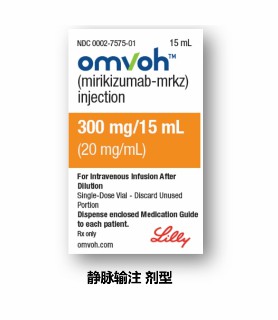
For patients with Crohn's disease, the infusion time of militizumab during the induction phase is relatively long. It is recommended that each intravenous injection should last no less than 90 minutes and should still be given at weeks 0, 4 and 8. In clinical practice, the setting of this infusion time is based on comprehensive considerations of pharmacokinetics and immune tolerance, which helps maximize drug efficacy and minimize the risk of acute infusion reactions. The maintenance regimen for patients with Crohn's disease is also a subcutaneous injection every 4 weeks, consistent with ulcerative colitis.
In addition to standard usage and dosage, the clinical application of milizumab also involves a series of safety precautions. The first is allergic reaction. Although the incidence is low, some patients may develop acute allergic symptoms during the infusion process, such as rash, itching, throat tightening or difficulty breathing. Therefore, the first infusion and dose adjustment should be carried out in an experienced medical environment, and emergency equipment and drugs should be available. Secondly, as an immunomodulatory drug, militizumab may increase the patient's risk of infection, especially upper respiratory tract infection, bronchitis or urinary tract infection. Therefore, infection screening should be performed regularly during treatment and treatment should be suspended if necessary.
In terms of liver function, clinical observations have shown that militizumab may cause hepatotoxic manifestations such as elevated transaminases, especially when combined with other potentially hepatotoxic drugs, the risk increases. Therefore, liver function indicators need to be monitored before starting treatment and during treatment, and patients with underlying liver disease need to be more cautious. Militizumab needs to be used with special caution in patients with active tuberculosis or latent tuberculosis infection because its mechanism of suppressing the immune response may induce activation of latent infection. Tuberculosis screening should be performed before starting treatment, and those with latent infection should be given preventive anti-tuberculosis treatment. In addition, Omvoh is contraindicated in patients with confirmed active pulmonary tuberculosis.
Another note that needs to be emphasized is vaccination. Because militizumab may weaken the body's defenses against pathogens, live vaccines, including varicella, measles, and yellow fever, should be avoided during treatment. Before treatment, it is recommended to complete the necessary vaccination program, especially against common sources of infection such as seasonal influenza and Streptococcus pneumoniae.
Reference materials:https://omvoh.lilly.com/
[ 免责声明 ] 本页面内容来自公开渠道(如FDA官网、Drugs官网、原研药厂官网等),仅供持有医疗专业资质的人员用于医学药学研究参考,不构成任何治疗建议或药品推荐。所涉药品可能未在中国大陆获批上市,不适用于中国境内销售和使用。如需治疗,请咨询正规医疗机构。本站不提供药品销售或代购服务。


