
.jpeg)
Adverse reaction management strategy of bosutinib/bosutinib in the treatment of chronic myelitis
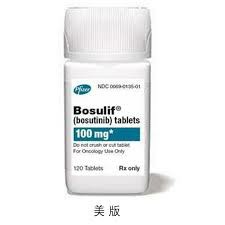
Bosutinib is an oral second-generation tyrosine kinase inhibitor (TKI) that is widely used to treat Philadelphia chromosome-positive chronic myelogenous leukemia (Ph+ CML), especially in patients who are resistant or intolerant to previous first-line TKI therapy. Compared with other TKIs, bosutinib has unique advantages in pharmacokinetics and targeting spectrum, but it may still produce a series of adverse reactions in actual application, especially gastrointestinal reactions are the most common. Therefore, standardized side effect management is of key significance for improving patient compliance and optimizing efficacy.
One of the most common adverse reactions is diarrhea, with a relatively high incidence. In order to prevent and manage this type of gastrointestinal discomfort, it is usually clinically recommended to pre-administer antidiarrheal drugs such as loperamide (Loperamide) before starting treatment. In addition, patients are advised to maintain adequate fluid intake and a light diet and avoid high-fiber and irritating foods while taking the medication. If diarrhea persists for more than 48 hours and does not resolve, consider temporarily discontinuing the drug or reducing the dose, and conduct further evaluation if necessary.
Another adverse reaction that requires close attention is abnormal liver function. Bosutinib may cause an increase in transaminases (ALT, AST) and even rarely lead to hepatotoxicity. For patients taking long-term medication, liver function should be monitored regularly, especially in the first 3 months of treatment. It is safer to monitor once a month. Once an increase in liver enzymes is found, the degree of increase should be assessed in a timely manner and whether short-term discontinuation or dose reduction is required based on the guidance.
In addition, some patients may experience side effects such as rash, edema, increased blood pressure, and muscle spasms. The rash is usually mild and can be treated with antihistamines or topical steroids. For patients who develop hypertension, blood pressure monitoring should be performed and antihypertensive medications should be adjusted appropriately. If edema is accompanied by rapid weight gain, you should be alert to cardiac function problems.
Reference materials:https://go.drugbank.com/drugs/DB06616
[ 免责声明 ] 本页面内容来自公开渠道(如FDA官网、Drugs官网、原研药厂官网等),仅供持有医疗专业资质的人员用于医学药学研究参考,不构成任何治疗建议或药品推荐。所涉药品可能未在中国大陆获批上市,不适用于中国境内销售和使用。如需治疗,请咨询正规医疗机构。本站不提供药品销售或代购服务。


