
.jpeg)
Is Sotorasib suitable for patients with brain metastases?
Sotorasib is a targeted drug targeting the KRAS G12C mutation and is mainly used to treat patients with non-small cell lung cancer who carry this mutation. KRAS G12CMutation is one of the more common driver gene mutations in lung cancer. Sotoracib specifically inhibits the activity of the mutant protein and blocks the signal transduction of tumor cells, thereby inhibiting tumor growth. However, in patients with brain metastases, the use of sotoraxib requires more caution and comprehensive evaluation.
Current clinical trials and real-world data indicate that sotoraxib exhibits good efficacy in controlling tumors in the body, but its penetrating ability and efficacy against brain metastases have not yet been fully confirmed. Due to the existence of the blood-brain barrier, it is difficult for many targeted drugs to reach effective concentrations in the brain, which makes the therapeutic effect of sotorasib in patients with brain metastases somewhat uncertain. Therefore, for patients with brain metastases, it may be difficult to achieve ideal efficacy using sotorasib alone.
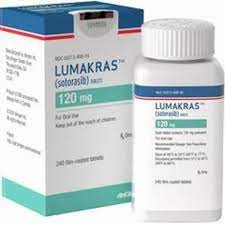
In addition, for patients with brain metastases, comprehensive clinical management is usually recommended in combination with radiotherapy, surgery, or other systemic treatment options. Sotoracib can be used as part of systemic treatment, but an individualized treatment plan should be developed in close collaboration with a neurosurgery or radiologist to maximize the control of brain lesions and systemic disease progression. Monitoring changes in brain metastases is crucial to evaluate treatment effects and adjust regimens.
In general, sotoracib has important therapeutic value for patients with non-small cell lung cancer carrying KRAS G12C mutations, but its application in patients with brain metastases still requires caution. In the future, more clinical studies on patients with brain metastases will help clarify the efficacy and safety of sotoraxib, thereby guiding more reasonable clinical medication decisions. Patients should fully communicate with their doctors during the treatment process and choose the best treatment strategy based on their individual circumstances.
Reference materials:https://www.lumakras.com/
[ 免责声明 ] 本页面内容来自公开渠道(如FDA官网、Drugs官网、原研药厂官网等),仅供持有医疗专业资质的人员用于医学药学研究参考,不构成任何治疗建议或药品推荐。所涉药品可能未在中国大陆获批上市,不适用于中国境内销售和使用。如需治疗,请咨询正规医疗机构。本站不提供药品销售或代购服务。


