
.jpeg)
Introduction to the risk of liver function injury and monitoring plan of Regorafenib
Regorafenib is a multi-target tyrosine kinase inhibitor that is widely used to treat a variety of malignant tumors such as colorectal cancer, gastrointestinal stromal tumors, and hepatocellular carcinoma. Although this drug has shown good efficacy in tumor control, its potential risk of damage to liver function cannot be ignored. In clinical application, abnormal liver function has been listed as one of the common and serious adverse reactions of regorafenib, so it is crucial to establish a scientific monitoring mechanism.
The mechanism by which regorafenib causes liver function damage may be related to its impact on liver cell mitochondria, microvascular damage, and the toxic effects of drug metabolism intermediates. Clinically, patients may have elevated transaminases (ALT, AST), abnormal bilirubin, and in severe cases may even develop drug-induced hepatitis or liver failure. Studies have shown that the risk of hepatotoxicity is highest during the first two months of treatment, especially the first course of treatment, and requires special attention.
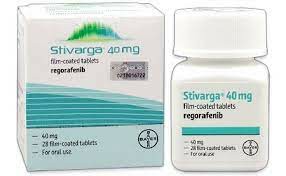
For liver function monitoring with regorafenib, it is recommended to conduct baseline liver function tests before starting treatment, including ALT, AST, total bilirubin, alkaline phosphatase (ALP), and albumin. During treatment, especially in the first two months, liver function should be rechecked every week or every two weeks; if the patient tolerates it well, it can be gradually extended to once a month. If the test finds that ALT or AST rises to more than 3 times the upper limit of normal, or total bilirubin rises more than 1.5 times the upper limit of normal, medication should be suspended and closely observed.
During medication, if symptoms such as jaundice, loss of appetite, fatigue, and right upper quadrant pain occur, you should also be highly vigilant about the possibility of liver damage. Once regorafenib-related liver dysfunction is diagnosed, the medication should be stopped immediately and hepatoprotective treatment should be given. Whether to restart treatment after liver function has recovered should be based on a comprehensive assessment of risks and benefits. If the patient is a liver cancer patient and the basic liver function is already unstable, it is recommended to cooperate with a liver disease specialist for individualized management to ensure a balance between the safety and efficacy of the treatment.
Reference materials:https://www.stivarga-us.com/
[ 免责声明 ] 本页面内容来自公开渠道(如FDA官网、Drugs官网、原研药厂官网等),仅供持有医疗专业资质的人员用于医学药学研究参考,不构成任何治疗建议或药品推荐。所涉药品可能未在中国大陆获批上市,不适用于中国境内销售和使用。如需治疗,请咨询正规医疗机构。本站不提供药品销售或代购服务。


