
.jpeg)
Discussion on the risk of recurrence after discontinuation of Tepotinib and the safe withdrawal plan
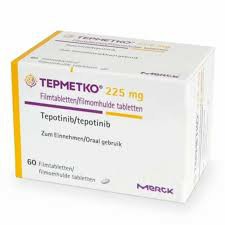
Tepotinib (Tepotinib) is an oral MET inhibitor, mainly used to treat the presence of MET gene exons14skipping mutation (METex14) or MET amplification. The drug has shown good efficacy in clinical practice, but since targeted therapy usually requires long-term maintenance, some patients wish to discontinue the drug or reduce the dose after reaching remission. This involves issues such as the risk of relapse after drug discontinuation and safe withdrawal strategies.
First of all, judging from clinical practice and research experience, once tepotinib is discontinued, there is a certain probability of tumor recurrence or progression. Especially for patients who achieve partial remission (PR) or stable disease (SD) during medication, if they stop taking the medication rashly without reaching the clear "complete response (CR)" standard, the risk of recurrence is higher. This is because tepotinib mainly plays a "control" role rather than a radical cure. Once the drug is withdrawn, the MET signaling pathway may become active again, causing the tumor to grow again.
Secondly, for patients who really need to discontinue medication, an individualized withdrawal plan should be developed. It is generally recommended that when the disease is stable for a long time and the tumor size is significantly reduced or even undetectable, the dose should be gradually reduced to observe the response. The daily standard dose can be gradually reduced to every other day, or even further extended, and tumor markers and imaging changes can be closely monitored. This process needs to be carried out under the guidance of a specialist, and it is strictly forbidden to stop taking the medicine on your own.
Finally, patients should enter a close follow-up period after stopping the drug. It is recommended to conduct imaging examinations every 6 to 8 weeks and review them at any time according to changes in symptoms. If signs of recurrence are evident, tepotinib treatment should be resumed as soon as possible or other treatment options should be considered. In addition, some patients still respond to tepotinib after relapse, indicating that its reuse may still be effective. Therefore, formulating a safe and scientific drug withdrawal and re-treatment mechanism is an important step in reducing the risk of recurrence and ensuring the patient's quality of life.
Reference materials:https://www.tepotinib.com/
[ 免责声明 ] 本页面内容来自公开渠道(如FDA官网、Drugs官网、原研药厂官网等),仅供持有医疗专业资质的人员用于医学药学研究参考,不构成任何治疗建议或药品推荐。所涉药品可能未在中国大陆获批上市,不适用于中国境内销售和使用。如需治疗,请咨询正规医疗机构。本站不提供药品销售或代购服务。


