
.jpeg)
What type of drug is lorlatinib/lorlatinib?
Lorlatinib/Lolatinib ( Lorlatinib) is a third-generation oral tyrosine kinase inhibitor (TKI) that mainly targets the abnormal activities of anaplastic lymphoma kinase (ALK) and ROS1 fusion proteins. As a new generation of targeted therapy, lorlatinib is designed to overcome the resistance problem caused by early ALK inhibitors, especially in patients with non-small cell lung cancer (NSCLC). Its unique molecular structure enables it to penetrate the blood-brain barrier and effectively act on diseased areas of the central nervous system, making up for the shortcomings of previous generation ALK inhibitors in the treatment of brain metastases and significantly improving the broad spectrum and sustainability of treatment.
Lorlatinib selectively inhibits the tyrosine kinase activities of ALK and ROS1, blocking the signal transduction pathways of tumor cells and inhibiting the proliferation and survival of cancer cells. ALK gene fusion mutations are an important driver mutation in non-small cell lung cancer, especially in young, non-smoking patients. The target of lorlatinib is not limited to ALK, but also includes ROS1, which is also a gene rearrangement closely related to the development of lung cancer. This broad-spectrum inhibitory effect enables lorlatinib to demonstrate good efficacy in patients with ALK-positive and ROS1-positive non-small cell lung cancer.
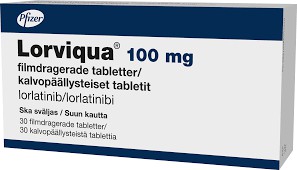
One of the design priorities of this drug is to solve the problem of drug resistance. First- and second-generation ALK inhibitors (such as crizotinib and alectinib) are effective in the treatment of ALK-positive NSCLC, but most patients will develop drug resistance and disease progression after taking the drugs for a period of time. Through structural optimization, lorlatinib can identify and inhibit multiple drug resistance mutations, including common L1196M, G1202R, etc., significantly extending the progression-free survival of patients. Its strong ability to inhibit multiple drug-resistant mutations makes it an important choice for the current treatment of patients with drug-resistant ALK-positive NSCLC.
Clinical studies have shown that lorlatinib not only performs well in controlling tumors in the body, but also has strong efficacy in the brain. This is mainly due to its good blood-brain barrier penetration ability. As we all know, brain metastasis is one of the serious problems faced by patients with ALK-positive lung cancer, and traditional ALK inhibitors have limited efficacy in the brain. Lorlatinib greatly improves patients' prognosis and quality of life by inhibiting tumor lesions in the brain.
In addition, the safety and tolerability of lorlatinib have also been clinically proven. Common adverse reactions include central nervous system-related symptoms such as cognitive impairment, mood swings, peripheral neuropathy, etc., but most of these side effects are controllable and reversible. Doctors will adjust the dosage according to the patient's specific conditions to achieve the best balance between therapeutic effect and safety.
The launch of lorlatinib marksALK inhibitor therapy has entered a new stage, and its comprehensive efficacy and drug-resistant mutation coverage make it an important breakthrough in the treatment of ALK-positive NSCLC. Although the price is higher, its clinical value is significant, especially for patients who have failed other ALK inhibitor treatments or have brain metastases. In the future, with the accumulation of more clinical data and enriched treatment experience, lorlatinib is expected to play a greater role in a wider range of patient groups and promote the development of precision medicine in the field of lung cancer treatment.
Reference materials:https://www.lorbrena.com/
[ 免责声明 ] 本页面内容来自公开渠道(如FDA官网、Drugs官网、原研药厂官网等),仅供持有医疗专业资质的人员用于医学药学研究参考,不构成任何治疗建议或药品推荐。所涉药品可能未在中国大陆获批上市,不适用于中国境内销售和使用。如需治疗,请咨询正规医疗机构。本站不提供药品销售或代购服务。


