
.jpeg)
Cabozantinib capsule specifications and instructions for use
Cabozantinib is a multi-target tyrosine kinase inhibitor ( TKI) that has been approved by drug regulatory agencies in many countries for the treatment of various tumors. In clinical application, it has been applied to a variety of refractory solid tumors due to its wide target coverage and good therapeutic response. Among them, cabozantinib capsule form is mainly suitable for the treatment of progressive or metastatic thyroidmedullary cancer (MTC). To ensure clinical efficacy and avoid medication errors, it is crucial to have an in-depth understanding of its specifications and usage.
1. Specifications of cabozantinib capsules
The trade name of cabozantinib capsules isCometriq. The main specifications are 20 mg and 80 mg capsules, which are combined into a total recommended daily dose of 140 mg. The capsule dosage form is designed to delay the release of the drug in the gastrointestinal tract, ensure continuous maintenance of effective blood drug concentration, improve efficacy, and reduce gastrointestinal side effects.
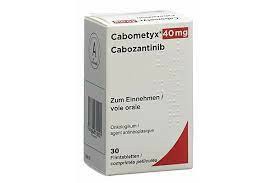
It should be noted that cabozantinib capsules are different from another dosage form—cabosometyx tablets (trade name: Cabometyx) in terms of pharmacokinetics, clinical indications and dosage standards. The two dosage forms are not interchangeable. Wrong substitution may result in inappropriate dosage, which may affect efficacy or even produce serious toxic side effects. Therefore, the prescription and usage range of these two dosage forms must be strictly distinguished in clinical practice.
2. Main indications of cabozantinib capsules
The main indication currently approved for cabozantinib capsules is the treatment of locally advanced or metastatic medullary thyroid cancer (MTC), especially those who cannot undergo surgery or have distant metastases. Medullary thyroid carcinoma is a rare type of thyroid tumor derived from parafollicular C cells and is often associated with RET gene mutations or other molecular abnormalities. Traditional chemotherapy has limited effects, and cabozantinib, as a TKI targeting multiple key pathways such as RET, MET and VEGFR, provides a new treatment path for this population.
3. Instructions for usage and dosage
The recommended starting dose of cabozantinib capsules is140 mg once daily, usually administered in a combination of 80 mg and 20 mg capsules (such as 80 mg+20 mg+20 mg).
The medication time should avoid the eating period, that is: at least before medicationDo not eat within 1 hour; do not eat for at least 2 hours after taking the medicine. The reason for this is that food will significantly affect the absorption rate and bioavailability of cabozantinib, which may cause drastic fluctuations in blood concentration, thereby increasing the risk of adverse reactions.
During medication, the capsules should be swallowed whole, and it is prohibited to chew or break the capsules, as damaging the drug structure may affect the release pattern and aggravate gastrointestinal discomfort or toxicity.
4. Medication adjustment for special groups
1. Patients with hepatic impairment: Patients with moderate or severe hepatic impairment may need dose adjustment or avoidance because the liver is the main metabolic organ;
2. Patients with impaired renal function: Mild to moderate renal impairment usually does not require dose adjustment, but patients with severe renal impairment require close monitoring;
3. Elderly patients: Usually there is no need to adjust the dose based on age, but tolerance needs to be monitored;
4. Children: Cabozantinib capsules have no clear safety and efficacy data in people under 18 years old. It is recommended that it be used only by adults.
5. Common adverse reactions during medication
Cabozantinib capsules may cause a variety of adverse reactions, common ones include:
1. Gastrointestinal reactions: such as diarrhea, nausea, vomiting, and loss of appetite;
2. Skin reactions: such as hand-foot syndrome and rash;
3. Metabolism and electrolyte disorders: such as hypocalcemia and hypertension;
4. Blood system abnormalities: including thrombocytopenia or neutropenia;
5. Elevated liver enzymes, abnormal thyroid function, etc.
During use, physiological indicators such as liver and kidney function, electrolytes, and blood pressure should be monitored regularly, and the treatment plan should be adjusted in a timely manner.
Reference:https://en.wikipedia.org/wiki/Cabozantinib
[ 免责声明 ] 本页面内容来自公开渠道(如FDA官网、Drugs官网、原研药厂官网等),仅供持有医疗专业资质的人员用于医学药学研究参考,不构成任何治疗建议或药品推荐。所涉药品可能未在中国大陆获批上市,不适用于中国境内销售和使用。如需治疗,请咨询正规医疗机构。本站不提供药品销售或代购服务。


