
.jpeg)
Comprehensive analysis of common side effects and treatment methods of Regorafenib
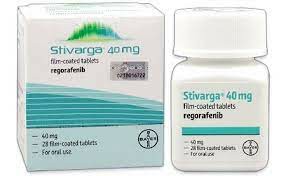
Regorafenib is an oral multi-target tyrosine kinase inhibitor (multi-kinase inhibitor), mainly used to treat malignant tumors such as metastatic colorectal cancer (mCRC), gastrointestinal stromal tumor (GIST) and advanced hepatocellular carcinoma (HCC). It achieves anti-tumor effects by inhibiting multiple kinases related to tumor cell proliferation and angiogenesis. However, due to its broad range of action targets, patients may experience a range of side effects during treatment. Scientific understanding of these adverse reactions and mastering coping methods can help improve treatment compliance and quality of life.
1. Overview of common side effects
Based on clinical research and real-world use experience, the most common adverse reactions of regorafenib include: hand-foot skin reaction (Hand-Foot Skin Reaction, HFSR), hypertension, fatigue, loss of appetite, diarrhea, stomatitis, rash, abnormal liver function, etc. The incidence of these side effects is high, and most of them appear within 1-2 weeks of the initial treatment. If not treated in time, they may affect the patient's ability to continue treatment.
1.Hand-foot skin reaction (HFSR)
HFSRThe most typical adverse reaction of regorafenib is erythema, swelling, blistering and even peeling of the palms and soles of the feet, often accompanied by a stinging or burning sensation. It usually occurs 1 to 3 weeks after taking the drug. In severe cases, it can affect daily walking and grasping.
2.Hypertension
Regofenib can cause changes in vascular endothelial function by inhibiting the VEGF signaling pathway, thereby causing an increase in blood pressure, especially during the initial 2 weeks. Some patients may develop grade 2 or even grade 3 hypertension, which may induce cardiovascular and cerebrovascular events if not properly controlled.
3.Fatigue and fatigue
Fatigue is a non-specific but high-frequency adverse reaction that is related to the metabolic burden and immune response of the drug. Some patients may affect their ability to live and work.
4.Digestive system reaction
These reactions include loss of appetite, nausea, stomatitis, diarrhea, etc. These reactions are usually mild, but if they persist for a long time or recur repeatedly, they can cause secondary problems such as weight loss and malnutrition.
5.Abnormal liver function
Regofenib is mainly metabolized by the liver in the body. Some patients may experience elevated levels of ALT and AST during treatment, and may even lead to hepatitis-like reactions. In rare cases, severe liver damage may occur.
2. Side effects treatment methods
1. Prevention and management of hand and foot skin reactions
Preventive measures: Carry out hand and foot care before treatment, such as removing calluses, keeping skin moist, and avoiding prolonged friction and wearing high heels.
Treatment strategy: When mild erythema occurs, urea ointment or topical steroid drugs (such as hydrocortisone butyrate) can be used; when moderate to severe reactions occur, temporary discontinuation or dose reduction should be considered, and the possibility of continued medication should be re-evaluated after the symptoms are relieved.
2. Monitoring and intervention of hypertension
It is recommended to monitor blood pressure every week before medication and at the beginning of treatment, and use antihypertensive drugs such as calcium channel blockers or ACEI to control blood pressure if necessary.
Once ≥Grade 2 hypertension occurs, you should consider suspending medication or adjusting the antihypertensive plan, and then consider continuing treatment after returning to normal.
3. Fatigue Management
Use non-drug interventions such as moderate exercise, improving sleep, and adjusting work and rest;
For fatigue caused by anemia or metabolic disorders, the cause should be actively found and treated symptomatically.
4. Measures to relieve digestive discomfort
Stomatitis: It is recommended to keep your mouth clean, avoid spicy and irritating foods, and use alcohol-free mouthwash and analgesics to relieve discomfort;
Loss of appetite: Use small frequent meals, nutritional support, etc., and in severe cases, use appetizers;
Diarrhea: Oral rehydration and antidiarrheal drugs such as loperamide are generally given, with short-term discontinuation if necessary.
5. Monitoring and intervention of abnormal liver function
Check liver function regularly before, during and after treatment;
When transaminases are elevated or bilirubin is abnormal, dose reduction or discontinuation should be considered, hepatoprotective drugs should be added if necessary, and other causes of liver damage should be ruled out.
3. Dose adjustment and individualized management
The standard dose of regorafenib is 160mg daily, with continuous taking 21 days and discontinuation 7 days as one cycle. However, for patients who experience grade 2 or above side effects, doctors may lower the dose to 120 mg or 80 mg depending on the circumstances. The personalized medication strategy emphasizes “patient tolerance as the core” and should weigh the balance between efficacy and safety.
In addition, for some elderly patients, those with reduced liver and kidney function, or those with multiple underlying diseases, the initial dose can be reduced to 120mg or even lower as appropriate to reduce the risk of adverse reactions, and the dose can be gradually increased under clinical monitoring. Such patients especially require multidisciplinary team management, such as oncology, nutrition, cardiology, etc. to work together to optimize the treatment process.
Regorafenib plays an important role in the treatment of a variety of solid tumors, but its side effects are relatively high, and most of them are concentrated in the early stages of treatment. Understanding and mastering the treatment of common adverse reactions, especially intervention strategies for hand-foot syndrome, hypertension and liver function abnormalities, is the key to ensuring smooth treatment. Clinicians should strengthen health education and follow-up management of patients, establish a dynamic monitoring mechanism, and achieve personalized and precise treatment. Patients should also maintain good compliance and communication awareness, report discomfort symptoms in a timely manner, and work together to achieve dual improvement of treatment goals and quality of life.
Reference materials:https://www.stivarga-us.com/
[ 免责声明 ] 本页面内容来自公开渠道(如FDA官网、Drugs官网、原研药厂官网等),仅供持有医疗专业资质的人员用于医学药学研究参考,不构成任何治疗建议或药品推荐。所涉药品可能未在中国大陆获批上市,不适用于中国境内销售和使用。如需治疗,请咨询正规医疗机构。本站不提供药品销售或代购服务。


