
.jpeg)
Detailed explanation of Tepotinib dosage adjustment and individualized treatment recommendations
Tepotinib is a highly selective MET inhibitor, mainly used to treat patients with MET exon 14 skipping mutations (METex14 Skipping) patients with locally advanced or metastatic non-small cell lung cancer (NSCLC). It blocks the proliferation and metastasis of tumor cells by inhibiting the abnormal activation of the MET signaling pathway. The standard recommended dose is 450 mg (tablet) once daily, no need to take it in divided doses, and it is recommended to take it with food to improve drug absorption.
In clinical application, the dosage of tepotinib may need to be appropriately adjusted based on the patient's individual conditions, such as liver and kidney function, age, weight, complications and other factors. Especially for patients with moderate to severe hepatic impairment, whose drug metabolism ability is reduced, it is recommended to reduce the dose as appropriate based on the assessment of drug exposure levels. In addition, patients with moderate to moderate renal impairment generally do not need to adjust the dose, but patients with severe renal impairment or dialysis should consult a specialist before use.
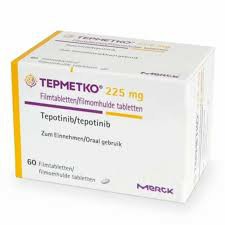
Individualized treatment also includes monitoring and response to adverse reactions, such as common peripheral edema, nausea, diarrhea, decreased appetite, etc. If the patient experiences grade 2 or above adverse reactions, temporary discontinuation of the drug or dose reduction (for example, from 450 mg to 225 mg) may be considered. Severe adverse reactions that do not resolve after treatment may require permanent discontinuation of the drug. Regular laboratory monitoring of liver function and blood routine is an important means to ensure safe medication use.
In general, tepotinib, as an important drug for MET targeted therapy, has clear efficacy at standard doses, but in actual clinical application, attention needs to be paid to individual patient differences. Through reasonable dose adjustment, active management of adverse reactions, and dynamic monitoring of treatment responses, truly personalized and precise treatment can be achieved, improving patients' survival benefits and quality of life.
Reference materials:https://www.tepotinib.com/
[ 免责声明 ] 本页面内容来自公开渠道(如FDA官网、Drugs官网、原研药厂官网等),仅供持有医疗专业资质的人员用于医学药学研究参考,不构成任何治疗建议或药品推荐。所涉药品可能未在中国大陆获批上市,不适用于中国境内销售和使用。如需治疗,请咨询正规医疗机构。本站不提供药品销售或代购服务。


