
.jpeg)
Does nintedanib pose a risk of serious liver damage?
Although Nintedanib has significant therapeutic effect in the treatment of pulmonary fibrosis and certain tumors, it may also cause certain damage to the liver. The liver is one of the main organs for drug metabolism, and the metabolism of nintedanib in the body may cause adverse reactions to liver function. The manifestations of liver damage are usually reflected by increases in liver function indicators, such as changes in transaminases (ALT, AST) and bilirubin levels.
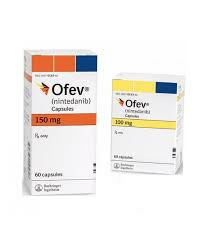
Clinically, one of the common side effects of nintedanib is abnormal liver function. Most patients may experience mild elevations in liver enzymes, but this is usually temporary. In some cases, the damage to liver function may be severe, manifested by persistent elevations in aminotransferases or other symptoms related to liver damage, such as jaundice, right upper quadrant discomfort, etc. Although liver damage is rare, nintedanib should be used with caution in patients with pre-existing liver disease.
Regular liver function monitoring is very important in patients taking nintedanib, especially long-term treatment. Doctors will adjust the dose of the drug or take other necessary interventions based on changes in liver function. If a patient develops signs of severe hepatic impairment while taking nintedanib, treatment may need to be suspended or the treatment regimen adjusted.
It is important to note that side effects of nintedanib include the risk of liver damage that not all patients will experience. In many cases, a patient's liver function may remain stable without significant abnormalities while taking the drug. Therefore, for most patients, the risk of liver injury with nintedanib can be controlled with appropriate monitoring and management.
Reference materials:https://en.wikipedia.org/wiki/Nintedanib
[ 免责声明 ] 本页面内容来自公开渠道(如FDA官网、Drugs官网、原研药厂官网等),仅供持有医疗专业资质的人员用于医学药学研究参考,不构成任何治疗建议或药品推荐。所涉药品可能未在中国大陆获批上市,不适用于中国境内销售和使用。如需治疗,请咨询正规医疗机构。本站不提供药品销售或代购服务。


