
.jpeg)
Upadatinib Latest Clinical Trial Data: Safety and Effectiveness Report
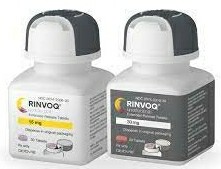
On April 29, 2025, the U.S. Food and Drug Administration (FDA) officially approved Upadacitinib (Upadacitinib) at a dose of 15 mg once daily for the treatment of giant cell arteritis (GCA), also known as temporal arteritis, in adults. This approval makes upadacitinib the first and only oral Janus kinase (JAK) inhibitor approved for the treatment of GCA in adults. Prior to this, the European Commission had also approved upadatinib for the treatment of the same indication.
Giant cell arteritis is an autoimmune disease that primarily affects the temporal artery and other intracranial arteries, and may even involve the aorta and other medium-to-large arteries. If left untreated, the disease can have serious consequences, including blindness, aortic aneurysm or stroke, and is often accompanied by debilitating symptoms. Studies have shown that white women over 50 years old are at a high risk of GCA, especially women between 70 and 80 years old. Although the incidence is higher in women than men, some studies have found that men are more likely to develop eye complications.
To evaluate the safety and efficacy of upadatinib, SELECT-GCA (M16-852), a phase 3 multi-center randomized double-blind placebo-controlled study, recruited 428 patients with GCA. The study was conducted in two phases. Phase 1 results, to be released in April 2024, evaluated the efficacy of upadatinib combined with a 26-week corticosteroid tapering regimen versus placebo combined with a 52-week corticosteroid tapering regimen, while also examining the safety and tolerability of upadatinib in patients. The second phase will focus on those participants who achieved sustained remission in the first phase and evaluate the safety and effectiveness of maintaining remission with upadatinib continued or discontinued.
KeyThe results of the phase 3 SELECT-GCA clinical trial showed that 46.4% of patients who received upadatinib 15 mg combined with a 26-week steroid tapering regimen achieved sustained remission from weeks 12 to 52, while only 29.0% of patients who received placebo and a 52-week steroid tapering regimen (p=0.002). Additionally, the safety profile of upadatinib during the 52-week placebo-controlled period was generally consistent with that observed in other approved indications, further supporting its viability as a treatment option.
The FDA's approval provides a new alternative treatment option for GCA patients, allowing patients to gradually taper steroid use and achieve sustained remission. At present, glucocorticoids are still the main treatment for GCA, but long-term use is often accompanied by significant drug-related toxicity, and the probability of recurrence is still high.
Therefore, the introduction of Upatinib has brought new hope to patients. Research results show that Upatinib can effectively improve patients' chances of achieving sustained remission, opening up a new direction for future GCA treatment. Through these latest clinical data, both doctors and patients can better choose appropriate options in future treatments to improve patients' quality of life.
References:https://news.abbvie.com/2025-04-29-RINVOQ-R-upadacitinib-Receives-U-S-FDA-Approval-for-Giant-Cell-Arteritis-GCA
[ 免责声明 ] 本页面内容来自公开渠道(如FDA官网、Drugs官网、原研药厂官网等),仅供持有医疗专业资质的人员用于医学药学研究参考,不构成任何治疗建议或药品推荐。所涉药品可能未在中国大陆获批上市,不适用于中国境内销售和使用。如需治疗,请咨询正规医疗机构。本站不提供药品销售或代购服务。


