
.jpeg)
What is the therapeutic effect of lorlatinib/lorlatinib?
Lorlatinib/Lorlatinib ( Lorlatinib) is a new type of tyrosine kinase inhibitor, mainly used to treat patients with non-small cell lung cancer (NSCLC) with ALK (anaplastic lymphoma kinase) gene mutations. It can effectively target ALK gene mutations in tumor cells, thereby inhibiting the growth and spread of tumor cells. Since its launch, lorlatinib has become one of the first-line drugs in the treatment of non-small cell lung cancer due to its excellent therapeutic effect and fewer drug resistance problems.
First of all, the therapeutic effect of lorlatinib has been outstanding in clinical studies. For patients with ALK mutation-positive non-small cell lung cancer, especially those who have experienced ineffective treatment with other ALK inhibitors, lorlatinib can exert a significant effect. Many clinical studies have shown that lorlatinib is not only effective in some patients with refractory ALK mutation-positive non-small cell lung cancer, but also can overcome the common resistance problems in traditional ALK inhibitor treatment. Especially for patients who have developed resistance to drugs such as crizotinib and erlotinib, lorlatinib can often bring satisfactory results.
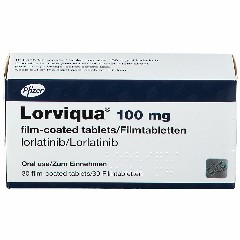
In terms of efficacy, lorlatinib can significantly improve patients' progression-free survival (PFS), which is the time that patients can maintain treatment effects without disease progression. In addition, the objective response rate (ORR) of lorlatinib is also very good, which means that a higher proportion of patients who receive treatment have tumor shrinkage or complete disappearance. Studies have shown that lorlatinib often achieves high objective response rates, making it an ideal treatment option for many patients with ALK-mutant NSCLC.
Lorlatinib can significantly slow down tumor growth and help patients improve their quality of life during treatment. Due to its strong penetration into the central nervous system, lorlatinib has shown good results in the treatment of tumor metastases involving the brain. This feature is particularly important because the incidence of brain metastases is higher in patients with lung cancer, and the effectiveness of lorlatinib against brain metastases makes it one of the first-choice drugs for the treatment of patients with brain metastases.
However, although lorlatinib has achieved remarkable results in the treatment of non-small cell lung cancer, not all patients can achieve complete therapeutic effects. In practical applications, a small number of patients may develop drug resistance or suffer serious side effects. Although lorlatinib is more effective in overcoming drug resistance, individual differences among patients will still affect the therapeutic effect. In addition, some patients may experience a series of side effects when receiving lorlatinib treatment, such as central nervous system reactions (such as dizziness, difficulty concentrating), high cholesterol, high blood sugar, etc. These side effects need to be monitored and managed in a timely manner during the treatment process.
In addition, although lorlatinib is effective forThe therapeutic effect of ALK-mutated non-small cell lung cancer is very significant, but its efficacy is still affected by individual differences. Tumor response and survival prolongation may vary among different patients after treatment with lorlatinib. Therefore, when doctors choose lorlatinib treatment, they need to comprehensively consider the patient's specific condition, the side effects of the drug, and possible drug resistance issues.
Reference materials:https://www.lorbrena.com/
[ 免责声明 ] 本页面内容来自公开渠道(如FDA官网、Drugs官网、原研药厂官网等),仅供持有医疗专业资质的人员用于医学药学研究参考,不构成任何治疗建议或药品推荐。所涉药品可能未在中国大陆获批上市,不适用于中国境内销售和使用。如需治疗,请咨询正规医疗机构。本站不提供药品销售或代购服务。


