
.jpeg)
Recommended dosage and usage of selumetinib therapy
Selumetinib is an oral medication commonly used to treat symptomatic, unresectable plexiform neurofibromas (PN) in pediatric patients 2 years of age and older with neurofibromatosis type 1 (NF1). The usage and dosage of the drug need to be adjusted according to the patient's specific conditions to ensure maximum efficacy and reduce the occurrence of side effects.
For children with neurofibromatosis type 1 (NF1), the recommended dose of selumetinib is usually 25 mg twice daily to ensure that the drug maintains a stable concentration in the body. This drug should be taken on an empty stomach, that is, 1 hour before or 2 hours after a meal, and the tablets should be swallowed with enough water to avoid chewing or crushing the tablets to maintain the stability and absorption of the drug.
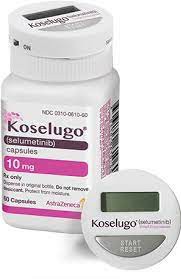
The dose of selumetinib may need to be individualized based on the patient's clinical response and tolerability. If the patient experiences obvious adverse reactions, especially rash, gastrointestinal discomfort, or abnormal liver function, the doctor may reduce the dose of the drug or temporarily discontinue the drug until the side effects are effectively controlled before resuming treatment. In addition, for lighter or younger children, doctors may adjust the dosage appropriately based on their specific circumstances.
It is important to note that during selumetinib treatment, patients must undergo regular clinical examinations, especially monitoring of liver function and skin reactions. Since this drug may cause hepatotoxicity and other systemic side effects, during treatment, doctors will adjust the drug usage plan according to the patient's actual condition to ensure that the patient can receive treatment safely and effectively.
For patients taking selumetinib for a long time, doctors will also evaluate the efficacy of the treatment to decide whether to continue using the drug. It is worth noting that although selumetinib has a good therapeutic effect, some common adverse reactions may still occur during the treatment process, such as rash, nausea, vomiting, diarrhea, etc. Therefore, patients and family members should closely observe the effects and adverse reactions of drugs under the guidance of doctors, and report any symptoms of discomfort in a timely manner.
Reference materials:https://www.koselugo.com
[ 免责声明 ] 本页面内容来自公开渠道(如FDA官网、Drugs官网、原研药厂官网等),仅供持有医疗专业资质的人员用于医学药学研究参考,不构成任何治疗建议或药品推荐。所涉药品可能未在中国大陆获批上市,不适用于中国境内销售和使用。如需治疗,请咨询正规医疗机构。本站不提供药品销售或代购服务。


