
.jpeg)
Does Militizumab interact with other drugs?
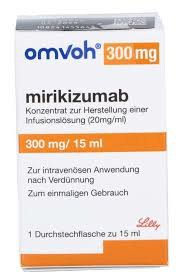
Milikizumab(Mirikizumab) is a new type of IL-23 inhibitor that is widely used to treat ulcerative colitis and other immune-related diseases. It reduces the overactivity of the immune system and relieves inflammation by specifically inhibiting the binding of IL-23 to its receptor. As a biological agent, militizumab is different from traditional small molecule drugs, and its drug metabolism and interaction mechanisms are also somewhat different from the interactions with other drugs.
First of all, as an immunosuppressant, militizumab may interact with other drugs that affect immune system function. Since militizumab inhibits the inflammatory response by interfering with the IL-23/IL-17 signaling pathway, any drug that affects the immune system, especially T cell activity, may potentially interact with militizumab. For example, the risk of infection may increase when using other immunosuppressants (such as glucocorticoids, anti-TNF-α drugs, etc.) combined with militizumab. Coadministration may result in excessive suppression of the immune system, thereby increasing the patient's susceptibility to bacterial, viral, and fungal infections. Especially for patients whose basic immune function is already suppressed, special caution is needed when using militizumab to avoid further weakening of the immune system.
In addition, the interaction of militizumab with certain vaccines is of concern. Because militizumab suppresses parts of the immune system, it may affect the body's immune response to vaccines, especially live vaccines. When using militizumab, patients are generally advised to receive all necessary vaccinations before starting treatment and to avoid receiving live vaccines during treatment. Militizumab generally has less impact when using killed vaccines, but vaccination still needs to be done under the guidance of a doctor.
When used in combination with other drugs, militizumab is metabolized mainly through non-enzymatic metabolic pathways, so it is less likely to interact with metabolizing enzymes of some drugs (such asCYP450 enzyme system). This means that, compared with many drugs that are metabolized by the liver, militizumab has a lower risk of significant pharmacokinetic interactions when used concomitantly with these drugs. However, despite this, the combined use of militizumab with some common drugs still needs to be conducted under the guidance of a professional physician to ensure the safety and effectiveness of the treatment.
For example, when Militizumab may be combined with other immunomodulatory drugs (such as cyclosporine, mycodone, etc.), it may increase the risk of suppressing the immune system, leading to the occurrence of adverse events such as infection. Therefore, special attention should be paid to monitoring the patient's immune function and infectious status when militizumab is used in combination with these drugs.
Regarding the use of antibiotics, although militizumab itself has less direct interaction with antibiotic drugs, since militizumab may increase the susceptibility to infection, the patient's immune status needs to be considered when using antibiotics. Certain antibiotics may affect intestinal flora, which may affect the effectiveness of militizumab treatment. Therefore, it is necessary to pay attention to possible changes in intestinal microecology when antibiotics are used together, especially in patients treated for intestinal-related diseases such as ulcerative colitis.
Reference materials:https://omvoh.lilly.com/
[ 免责声明 ] 本页面内容来自公开渠道(如FDA官网、Drugs官网、原研药厂官网等),仅供持有医疗专业资质的人员用于医学药学研究参考,不构成任何治疗建议或药品推荐。所涉药品可能未在中国大陆获批上市,不适用于中国境内销售和使用。如需治疗,请咨询正规医疗机构。本站不提供药品销售或代购服务。


