
.jpeg)
What are the common side effects while taking Sotorasib?
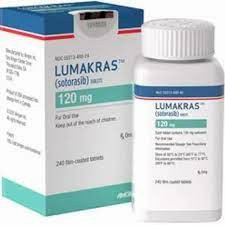
Sotorasib is a targeted therapy drug mainly used to treat patients with non-small cell lung cancer carrying KRAS G12C mutations. As the world's first KRAS G12C inhibitor to be marketed, this drug brings new hope to many lung cancer patients who lack effective targeted treatment options. However, like other targeted drugs, sotoraxib may also cause a series of adverse reactions during treatment. Some side effects are mild and controllable, but there are also risks that require close monitoring and intervention. Understanding the manifestations of these common side effects and their countermeasures is of great significance to ensure the effectiveness of treatment and improve the quality of life of patients.
Gastrointestinal reactions are one of the most common side effects of sotoraxib treatment. Many patients will experience symptoms such as diarrhea, nausea, vomiting, and abdominal pain while taking the medicine, and diarrhea is especially common. Such symptoms are often related to the stimulation of intestinal epithelial cells by drugs. If they are mild, they can be relieved by adjusting the diet, replenishing water, and using antidiarrheal drugs. However, if the diarrhea is severe or lasts for a long time, you need to consider whether to reduce the drug dose or suspend the medication. In addition, patients may also experience symptoms such as loss of appetite and constipation, and should be given targeted nutritional support and drug treatment based on individual conditions.
Abnormal liver function is one of the important side effects worthy of attention. The metabolism of sotoraxib mainly depends on the liver, so during the period of taking it, some patients may experience elevated transaminases (ALT, AST), or even rare liver function damage. Liver function indicators should be monitored regularly before and during medication. Once obvious abnormalities are found, it is necessary to decide under the guidance of a doctor whether to suspend medication, reduce the dose, or use hepatoprotective drugs in combination. For patients with chronic liver disease or previous liver dysfunction, special attention should be paid to drug safety and liver tolerance should be closely monitored.
Fatigue and musculoskeletal symptoms are also common in some patients. Patients may feel persistent fatigue and reduced physical strength, which may even affect daily activities in severe cases. This type of fatigue is not a specific side effect, but a common systemic effect of targeted therapy drugs. In addition, some patients may also experience muscle or joint soreness. Although most of them are mild reactions, they still need to be given appropriate rest and symptomatic treatment, such as taking over-the-counter analgesics and performing moderate low-intensity exercise. If fatigue continues to worsen, you need to be evaluated to see if it is a sign of other complications, such as anemia, electrolyte imbalance, or liver function problems.
Abnormal laboratory test indicators are also a side effect that cannot be ignored. Including decreased hemoglobin, thrombocytopenia, abnormal white blood cell count, electrolyte disorders (such as fluctuations in sodium and potassium levels), etc. Most of these changes are manifestations of drugs mildly inhibiting the function of the hematopoietic system, which can usually be detected early and dealt with promptly through regular blood monitoring. For patients with obvious laboratory abnormalities, adjustments to the treatment plan may be considered, while nutritional support and monitoring may be strengthened.
To sum up, sotorasiib is as effective as KRAS G12CA major breakthrough drug in the treatment of mutant lung cancer does show significant therapeutic potential in clinical application, but its side effects cannot be ignored. Gastrointestinal reactions, liver function damage, fatigue and abnormal laboratory indicators are the most common adverse reactions. Patients should regularly review liver function, blood routine, electrolytes and other indicators while taking the medication, while maintaining good living habits and dietary structure. When prescribing this drug, doctors should also evaluate the risks of taking the drug based on the patient's overall condition, and provide personalized monitoring and support plans to ensure the safety and effectiveness of the treatment.
Reference materials:https://www.lumakras.com/
[ 免责声明 ] 本页面内容来自公开渠道(如FDA官网、Drugs官网、原研药厂官网等),仅供持有医疗专业资质的人员用于医学药学研究参考,不构成任何治疗建议或药品推荐。所涉药品可能未在中国大陆获批上市,不适用于中国境内销售和使用。如需治疗,请咨询正规医疗机构。本站不提供药品销售或代购服务。


