
.jpeg)
What are the common side effects of Pralsetinib?
Pralsetinib is a selective RET inhibitor mainly used to treat RET fusion-positive non-small cell lung cancer and thyroid cancer. As a targeted drug, platinib has shown good efficacy in clinical application, but it may also bring about a series of side effects. These side effects are common in some patients and need to be paid attention to and managed during the treatment process.
First, the most common adverse reactions are hematological abnormalities, especially leukopenia, neutropenia, and anemia. These conditions may cause patients to have reduced immunity, be susceptible to infection, or experience symptoms such as fatigue. During the period of medication, doctors usually conduct routine blood tests regularly to detect abnormalities early and adjust the dosage or provide supportive treatment, such as using whitening drugs or iron supplements.
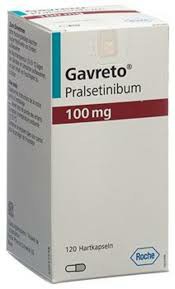
Secondly, platinib may also cause liver function abnormalities, manifested as elevated transaminases (ALT, AST), and some patients may also experience elevated bilirubin. Although most cases are mild to moderate elevations, they may cause liver damage if not monitored promptly. Therefore, liver function should be monitored regularly before treatment and during medication. When significant abnormalities occur, medication needs to be suspended or the dose adjusted, and hepatoprotective treatment should be given as appropriate.
Additionally, some patients may experience gastrointestinal symptoms such as constipation, diarrhea, nausea, or vomiting. Most of these reactions are mild to moderate and can usually be alleviated by adjusting diet, increasing water intake, or using antidiarrheal and antiemetic drugs. Maintaining a regular schedule and eating habits can help alleviate such discomfort and improve patient tolerance and treatment compliance.
In addition, Platinib may also cause more serious adverse reactions in individual cases, such as interstitial lung disease, hypertension or QT interval prolongation. Although these conditions are rare, they can be life-threatening if they occur, so you should seek medical attention immediately if you experience unexplained cough, difficulty breathing, headache, or heart palpitations. Generally speaking, most of the side effects of platinib are controllable. As long as they are monitored and managed according to medical instructions, most patients can successfully complete the treatment process.
Reference materials:https://gavreto.com/
[ 免责声明 ] 本页面内容来自公开渠道(如FDA官网、Drugs官网、原研药厂官网等),仅供持有医疗专业资质的人员用于医学药学研究参考,不构成任何治疗建议或药品推荐。所涉药品可能未在中国大陆获批上市,不适用于中国境内销售和使用。如需治疗,请咨询正规医疗机构。本站不提供药品销售或代购服务。


