
.jpeg)
Clinical guidance on regorafenib dosage and adjustment regimen
Regorafenib is a multi-target tyrosine kinase inhibitor mainly used to treat a variety of malignant tumors such as colorectal cancer, gastrointestinal stromal tumor (GIST) and hepatocellular carcinoma. In order to ensure the efficacy while minimizing adverse reactions, there are clear clinical guidance on the dosage and adjustment strategy of regorafenib.
1. Recommended starting dose and dosing period
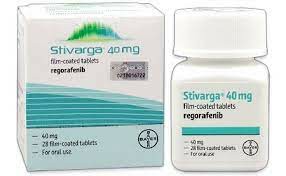
The standard recommended starting dose of regorafenib in most indications is 160 mg daily (usually 4 tablets40mg tablets), take it continuously for 21 days, and then stop taking it for 7 days, forming a complete 28 day treatment cycle. Patients should take the tablet at a fixed time each day, after meals, preferably with a low-fat diet. This standard dose is recommended based on a balance of efficacy and safety in clinical trials and is suitable for most patients in good physical condition.
2. Adaptation to dose adjustment
Some patients may experience adverse reactions in the early stages of treatment, such as hand-foot skin reaction, high blood pressure, fatigue or abnormal liver function. If the adverse reaction is severe (≥2 grade), it is necessary to decide whether to suspend the medication or reduce the dose based on the specific symptoms. Common dose adjustments include reduction to 120 mg/day and further reduction to 80 mg/day if necessary. Dose adjustment is usually in units of 40mg, and doctors will make personalized adjustments based on individual tolerance and efficacy assessment.
3. Conditions for dose recovery
After the adverse reactions are alleviated to Grade 1 or completely recovered, a return to the previous dose may be considered, but caution must be exercised. If the patient can still maintain good efficacy and does not experience serious side effects after reducing the dose, maintaining the current lower dose is also an acceptable treatment strategy. Especially in the process of chronic management of advanced tumors, controlling toxic reactions and ensuring quality of life are often more important than blindly pursuing high doses.
4. Medication Considerations for Special Populations
For elderly patients or those with basic liver and kidney function impairment, the starting dose can be appropriately lowered, and blood pressure, liver function and other indicators should be closely monitored. If you are combined with other systemic diseases or are taking drugs that may interact, you need to evaluate the drug metabolism pathway in advance to avoid aggravation of adverse reactions. Doctors usually recommend that patients follow up once a week and decide whether to continue the current dose or make adjustments after the first cycle based on individual tolerance and tumor response.
Generally speaking, the dosage of regorafenib needs to be dynamically adjusted according to the specific conditions of the patient under the guidance of a professional doctor, so as to ensure the anti-tumor effect, control toxic and side effects as much as possible, and improve the safety and tolerability of the treatment.
Reference materials:https://www.stivarga-us.com/
[ 免责声明 ] 本页面内容来自公开渠道(如FDA官网、Drugs官网、原研药厂官网等),仅供持有医疗专业资质的人员用于医学药学研究参考,不构成任何治疗建议或药品推荐。所涉药品可能未在中国大陆获批上市,不适用于中国境内销售和使用。如需治疗,请咨询正规医疗机构。本站不提供药品销售或代购服务。


