
.jpeg)
Study Shows Upadatinib Demonstrates Efficacy and High Retention Rate in Treatment of Atopic Dermatitis
Upadacitinib is a new oral small molecule JAK inhibitor that has shown significant efficacy in the treatment of atopic dermatitis (AD) in recent years. Atopic dermatitis is a common chronic and relapsing skin disease that has a great impact on patients' quality of life. Studies have shown that the performance of upadatinib in clinical practice is impressive, with a treatment retention rate as high as 90.5%, which means that most patients can continue to use the drug within the short period of treatment to effectively control their disease.
In a retrospective analysis conducted by the research team, patients aged 18 years and older with moderate to severe chronic atopic dermatitis who had received at least one prescription for upadacitinib through the Pharmaceutical Benefits Scheme (PBS) or the Compassionate Supply Scheme were studied. During the study, patients' demographic information, comorbidities, EASI score (ie, Atopic Dermatitis Area and Severity Index), Dermatology Life Quality Index (DLQI) score, and their previous treatment history were collected. These data provide strong support for evaluating the actual efficacy of upadatinib. This study demonstrates the high persistence of this biologic drug in real-world settings, confirming its real-world efficacy and long-term performance.
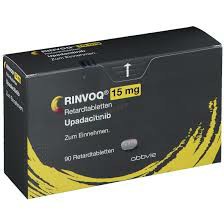
The primary outcome was treatment persistence, defined as the time from upadacitinib initiation to discontinuation, switch to different biology, or death. Despite high treatment retention rates, studies have found that discontinuation occurs for a variety of reasons, including adverse events, infection, loss of efficacy, and logistical issues.
Key findings include the following:
•Study results show that in clinical practice, upadatinib has excellent treatment retention rates:
•90.5% of patients were still taking upadacitinib at week 4, reflecting high short-term drug persistence.
•Disruptions occur due to many reasons such as adverse events, infections, loss of efficacy and logistical issues.
•Of the 14 patients who switched from dupilumab to upadacitinib, 50% reported loss of efficacy as the main reason for switching, and 28.6% of patients switched because dupilumab was completely ineffective.
•The study confirmed that loss of treatment effect was most common among patients and was confirmed by dermatologists, with increases in clinical indicators such as EASI scores.
•Patient variables at baseline were variables such as comorbid asthma, smoking history, and previous use of biologics, but none of these had a strong impact on persistence rates in the short term.
This real-world analysis demonstrates that upadatinib has a satisfactory treatment retention rate of 90.5%in patients with moderate to severe atopic dermatitis. Although loss of efficacy was the most common reason for discontinuation, this result still supports the utility and durability of upadatinib in the treatment of atopic dermatitis. For clinicians, this study provides a valuable data basis to better understand the performance of upadatinib in practical applications, thereby optimizing treatment strategies and improving patients' quality of life.
References:https://medicaldialogues.in/dermatology/news/upadacitinib-exhibits-efficacy-and-high-retention-in-atopic-dermatitis-treatment-reveals-study-147929
[ 免责声明 ] 本页面内容来自公开渠道(如FDA官网、Drugs官网、原研药厂官网等),仅供持有医疗专业资质的人员用于医学药学研究参考,不构成任何治疗建议或药品推荐。所涉药品可能未在中国大陆获批上市,不适用于中国境内销售和使用。如需治疗,请咨询正规医疗机构。本站不提供药品销售或代购服务。


