
.jpeg)
Seven major effects of nintedanib in treating lung diseases
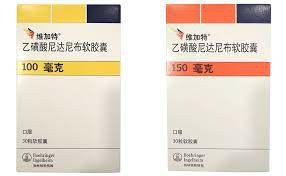
Nintedanib (Nintedanib) is an oral small molecule multi-target tyrosine kinase inhibitor originally developed by the German pharmaceutical company Boehringer Ingelheim for anti-tumor treatment. However, with its outstanding performance in anti-fibrosis research, nintedanib has become an indispensable innovative drug in the treatment of lung diseases, especially in the treatment of idiopathic pulmonary fibrosis (IPF), systemic sclerosis-related interstitial lung disease (SSc-ILD) and other progressive interstitial pulmonary diseases. The following is an analysis of the seven core functions of nintedanib in the treatment of lung diseases.
1. Effectively slow down the progression of pulmonary fibrosis
The most outstanding therapeutic value of nintedanib is to significantly delay the process of pulmonary fibrosis. It blocks the abnormal proliferation and migration of fibroblasts from the source by inhibiting the signaling pathways of multiple growth factor receptors (such as vascular endothelial growth factor VEGFR, fibroblast growth factor FGFR and platelet-derived growth factor PDGFR). This mechanism directly acts on the interstitial structure of the lungs and inhibits collagen deposition, thereby effectively delaying the decline of lung function and slowing down the progression of the disease.
2. Broad spectrum applicable to various types of interstitial lung diseases (ILDs)
In addition to idiopathic pulmonary fibrosis (IPF), nintedanib also shows therapeutic potential in interstitial lung diseases caused by various causes, including connective tissue disease-related lung diseases (such as ILD caused by systemic sclerosis), rheumatoid arthritis-related ILD, and non-specific interstitial pneumonia (NSIP). Because its mechanism of action is based on the blocking of universal fibrotic pathways, it can be widely applied to interstitial lung injuries caused by different causes.
3. Reduce the frequency of acute exacerbations
One of the fatal risks of pulmonary fibrosis is the phenomenon of "acute exacerbation", that is, the sudden deterioration of lung function without obvious inducement, often accompanied by high mortality. Research shows that nintedanib has a certain protective effect in reducing the risk of acute exacerbation in IPF patients. By stabilizing the alveolar structure and reducing inflammatory stimulation, it indirectly improves the stability of patients during disease progression and prolongs exacerbation-free survival.
4. Improve patients’ quality of life and exercise tolerance
Although nintedanib cannot completely reverse pulmonary fibrosis, clinical observations show that it has a positive effect on patients' quality of life. By delaying the deterioration of lung function and reducing symptoms of dyspnea and dry cough, many patients are able to maintain daily activities while taking the medication. More importantly, nintedanib helps maintain the lung's gas exchange capacity, allowing patients to maintain independent living for a longer period of time in the chronic phase.
5. Highly compatible in combination drug strategies
In the treatment of complex lung diseases, multiple drugs are often used in combination to control disease progression and the risk of complications. Nintedanib has good drug compatibility and can be used together with prednisone, methotrexate, antacid drugs, etc., without obvious pharmacokinetic conflicts, providing more options for clinical individualized treatment. In addition, its metabolism is mainly completed through the liver CYP enzyme system and will not significantly affect the blood concentration of other drugs.
6. Significantly inhibit pulmonary vascular remodeling and improve blood oxygen saturation
Nintedanib has unique advantages in anti-angiogenesis, especially in patients with pulmonary hypertension and interstitial lung disease. It helps reduce pathological angiogenesis and intimal thickening of blood vessels, thereby reducing pulmonary artery pressure. This effect is particularly important for patients with pulmonary gas exchange disorders. It can improve blood oxygen levels to a certain extent and slow down the compensatory increase in right heart load caused by hypoxia.
7. Provide a basic template for future anti-fibrotic therapies
Nintedanib is not only a therapeutic drug, but also an important benchmark for modern anti-fibrosis strategies. Its successful launch and clinical performance provide an important reference for the future development and clinical design of other anti-fibrotic drugs. Its treatment concept has promoted the fibrosis intervention trend of "precise blocking + multi-target regulation" and also promoted the rapid development of the global pulmonary fibrosis drug pipeline.
Reference materials:https://en.wikipedia.org/wiki/Nintedanib
[ 免责声明 ] 本页面内容来自公开渠道(如FDA官网、Drugs官网、原研药厂官网等),仅供持有医疗专业资质的人员用于医学药学研究参考,不构成任何治疗建议或药品推荐。所涉药品可能未在中国大陆获批上市,不适用于中国境内销售和使用。如需治疗,请咨询正规医疗机构。本站不提供药品销售或代购服务。


