
.jpeg)
Recommended dosage and specific usage during trientine treatment
Trientine(Trientine) is an oral chelating agent commonly used to treat Wilson’s Disease. It binds to excess copper in the body and promotes its excretion through the urine, thereby reducing copper accumulation in the liver and other organs. It is often used as an alternative to penicillamine, especially in patients who are intolerant to penicillamine or who experience severe adverse reactions. The recommended dosage and usage vary depending on age, weight, disease severity and individual tolerance, so individualization principles should be followed in clinical use.
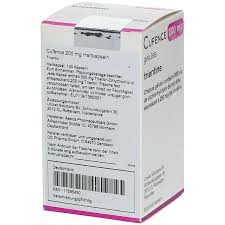
In adult patients, the starting dose of trientine is usually started at the lowest recommended dose, which is 800 mg dailyand then adjusted based on the patient's response to treatment. The usual maintenance dose for adults is 800 to 1600 mg/day, divided into 2 to 4 doses. This divided administration method helps maintain stable drug concentrations in the body and improves copper chelation efficiency. It should be noted that dose adjustment should be dynamically evaluated based on the patient's copper excretion, copper load level, and improvement in clinical symptoms.
For pediatric patients, the dosage of trientine needs to be adjusted appropriately based on weight and age. The starting dose is usually 400 to 1000 mg per day. Children's sensitivity to copper metabolism and weight basis make their treatment plans more cautious. Doctors need to closely monitor serum copper and urinary copper levels when formulating plans to ensure safety and effectiveness.
In terms of dosing method, trientine must be taken on an empty stomach, which is critical to its efficacy. It is recommended that patients take it at least one hour before or two hours after meals, and at least one hour apart from other medications, foods, or calcium-containing substances (such as milk). This helps avoid food-drug interactions and ensures maximum binding of trientine to free copper. Medications should be taken in intact capsule form and chewing or opening capsules is not recommended.
Reference materials:https://www.cufence.com/
[ 免责声明 ] 本页面内容来自公开渠道(如FDA官网、Drugs官网、原研药厂官网等),仅供持有医疗专业资质的人员用于医学药学研究参考,不构成任何治疗建议或药品推荐。所涉药品可能未在中国大陆获批上市,不适用于中国境内销售和使用。如需治疗,请咨询正规医疗机构。本站不提供药品销售或代购服务。


