
.jpeg)
Lorlatinib/lorlatinib belongs to several generations of targeted drugs. What are its characteristics?
Lorlatinib/Lorlatinib ( Lorlatinib) is a third-generation ALK/ROS1 tyrosine kinase inhibitor. It is a highly selective and highly penetrating targeted treatment drug for non-small cell lung cancer developed by Pfizer. Its development goal is to deal with the drug resistance problems that arise after the use of first-generation (such as crizotinib) and second-generation (such as alectinib, brigatinib) ALK inhibitors, especially for refractory manifestations such as complex mutations in tumors or central nervous system metastasis.
As a third-generation targeted drug, the biggest feature of lorlatinib is its broad-spectrum anti-mutation ability. Studies have shown that lorlatinib is highly active against a variety of known ALK mutations, and is particularly effective against G1202R, a common and difficult-to-overcome resistance mutation. In addition, it can also inhibit tumors related to ROS1 rearrangement, although the approval path for this indication in China has not yet been fully launched.
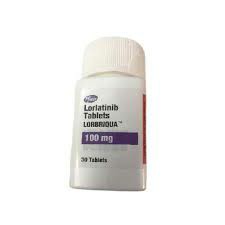
Another notable feature of lorlatinib is its good central nervous system (CNS) penetration. The incidence of brain metastasis is higher in lung cancer patients, especially in ALK-positive patients. Although the first two generations of ALK inhibitors have good effects on lung lesions, they are often difficult to penetrate the blood-brain barrier, resulting in poor control of brain metastases. Lorlatinib effectively solves this problem. It can penetrate the blood-brain barrier, show strong anti-tumor activity against brain metastases, and significantly delay the progression of the disease.
In addition, lorlatinib also has unique advantages in pharmacokinetics. Its high bioavailability and moderate half-life make it more convenient for oral administration and also facilitate long-term maintenance treatment for patients. However, it may also cause some central nervous system-related adverse reactions, such as cognitive impairment, mood swings, etc., so individual tolerance assessment needs to be paid attention to during clinical use.
Reference materials:https://www.lorbrena.com/
[ 免责声明 ] 本页面内容来自公开渠道(如FDA官网、Drugs官网、原研药厂官网等),仅供持有医疗专业资质的人员用于医学药学研究参考,不构成任何治疗建议或药品推荐。所涉药品可能未在中国大陆获批上市,不适用于中国境内销售和使用。如需治疗,请咨询正规医疗机构。本站不提供药品销售或代购服务。


