
.jpeg)
Analysis of the reasons why cabozantinib is not recommended
Cabozantinib, as a multi-target tyrosine kinase inhibitor, has shown good efficacy in the treatment of various solid tumors (such as renal cancer). However, due to its mechanism of action and metabolic properties, certain patient groups may be at higher risk when using this drug, and its suitability in clinical practice needs to be carefully assessed.
First, cabozantinib may cause serious bleeding events, especially in patients with a bleeding tendency or a recent history of bleeding. Studies have shown that approximately 5% of patients treated with cabozantinib experienced grade 3 or worse bleeding events. Therefore, the use of cabozantinib should be carefully considered in patients with symptoms such as gastrointestinal bleeding, hemoptysis, or melena.
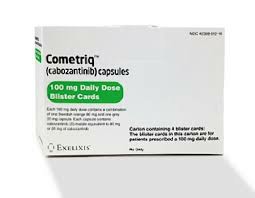
Secondly, cabozantinib is associated with gastrointestinal perforation and fistula formation, which although the incidence is low, can be life-threatening if it occurs. In patients with inflammatory bowel disease (e.g., Crohn's disease, ulcerative colitis) or a history of gastrointestinal surgery, the structure of the gastrointestinal tract may be damaged and the use of cabozantinib may increase the risk of perforation or fistula formation. Therefore, such patients need to be thoroughly evaluated before using cabozantinib and closely monitored for symptoms during treatment.
In addition, cabozantinib may cause hypertension, especially in patients with a history of hypertension. Uncontrolled hypertension may lead to the occurrence of cardiovascular events. Therefore, before starting cabozantinib treatment, the patient's blood pressure should be ensured to be within a controllable range, and blood pressure changes should be monitored regularly during treatment.
Cabozantinib may also affect the wound healing process, so for patients who have recently undergone surgery or have open wounds, it is recommended to stop cabozantinib at least 28 days before surgery to reduce the risk of postoperative complications.
Reference:https://en.wikipedia.org/wiki/Cabozantinib
[ 免责声明 ] 本页面内容来自公开渠道(如FDA官网、Drugs官网、原研药厂官网等),仅供持有医疗专业资质的人员用于医学药学研究参考,不构成任何治疗建议或药品推荐。所涉药品可能未在中国大陆获批上市,不适用于中国境内销售和使用。如需治疗,请咨询正规医疗机构。本站不提供药品销售或代购服务。


