
.jpeg)
Canafenib/bimetinib sets a precedent for improved treatment of BRAF V600E-mutated non-small cell lung cancer
Over the past 3 years, with the FDA approval of dadabrafenib plus trametinib and canafenib plus bimetinib/bemetinib, the treatment armamentarium for BRAF V600E-mutant non-small cell lung cancer has changed positively toward improving the standard of care (SOC), he added, adding that after advances with these drugs, uncertainty remains about optimal treatments. There are multiple strategies to treat BRAF V600E-altered NSCLC, mainly in the late metastatic stage. Already FDA approved for first-line use of dabrafenib plus trametinib, which is the MEK inhibitor that we need when we use BRAF inhibitors. Recently, we received FDA approval for canafenib in combination with bimetinib.
In June 2022, the FDA approved dabrafenib in combination with trametinib for the treatment of patients with BRAF V600E-mutated unresectable or metastatic solid tumors who have experienced disease progression after prior treatment and who have insufficient alternative treatment options. In addition, the FDA approved canafenib combined with bimetinib in October 2023 for the treatment of patients with metastatic NSCLC carrying the BRAF V600E mutation. The approval was based on data from the Phase 2 PHAROS trial (NCT03915951). Efficacy data from the PHAROS trial, available alternative therapies for class II and class III BRAF alterations, future treatment directions for BRAF V600E mutant NSCLC, and ways to address disease progression during standard care.
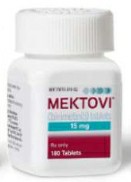
We saw an update (of this trial) at ESMO 2024. In the PHAROS trial, researchers evaluated progression-free survival (PFS) and overall survival (OS) outcomes. These were secondary results from the trial, which was a single-arm, open-label, multicenter study. Of note, PFS in previously untreated patients (median follow-up 33.3 months) continued to be 9.3 months compared with previous BRAF (inhibitor) studies, where median follow-up was 30.2 months. These are the two main parts of this study. PFS [results] were similar to OS results for untreated patients, with median OS not yet estimable; for previously treated patients [median OS was 22.7 months].
At least based on the guideline-guided evidence, class II and III alterations cannot be targeted with any combination of BRAF and MEK inhibitors. Clinical trials in patients with class II and III alterations should be considered outside of the SOCs we can provide. These include the use of BRAF and MEK inhibitors for Class I disease, as well as alternative therapies for Class II and III disease.
ForWith class II and class III alterations, there is growing evidence [supporting the use of] pan-RAF inhibitors that are not specific to the V600 locus. Some other clinical trial drugs may be considered beyond the SOC. In the case of class II and class III alterations, immunotherapy with or without chemotherapy is often considered based on other biomarkers such as PD-L1 status or other possible co-mutations. These SOC options should always apply to patients and also to patients with class I mutations.
There are studies that more clearly identify the translational research benefits of BRAF in up-front versus second-line studies, similar to how we [consider] sequencing other BRAF-targeting drugs in other diseases. In metastatic melanoma, we conducted the renowned Phase 3 DREAMseq study [NCT02224781], which determined that using immunotherapy before BRAF V600-directed therapy still benefits patients. There are no clear studies in [non-small cell lung cancer].
Reference: https://www.onclive.com/view/soc-encorafenib-binimetinib-sets-a-precedent-for-therapeutic-improvements-in-braf-v600e-mutant-nsclc
[ 免责声明 ] 本页面内容来自公开渠道(如FDA官网、Drugs官网、原研药厂官网等),仅供持有医疗专业资质的人员用于医学药学研究参考,不构成任何治疗建议或药品推荐。所涉药品可能未在中国大陆获批上市,不适用于中国境内销售和使用。如需治疗,请咨询正规医疗机构。本站不提供药品销售或代购服务。


