
.jpeg)
Teritusumab efficacy after prior BCMA-guided therapy in RR multiple myeloma
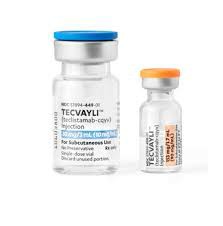
In recent years, multiple myeloma (MM) as a refractory hematological malignant tumor has gradually attracted widespread attention from the medical community. Especially for patients with relapsed or refractory multiple myeloma (RRMM), researchers are constantly exploring new treatments in order to improve patients' survival rate and quality of life. In this field, the BCMA (B cell maturation antigen)-directed bispecific antibody teritusumab (Teclistamab-cqyv) has attracted great attention from the medical community, and related research is also continuing to deepen.
A multicenter study focused on investigating the outcomes of teritusumab in patients with relapsed/refractory multiple myeloma who previously received BCMA-guided therapy. The context of this study is that although teritusumab was approved for patients with RRMM after ≥4 prior lines of therapy, the pivotal MajesTEC-1 trial (NCT04557098) excluded patients who had received BCMA-guided therapy. Therefore, this retrospective analysis of 385 patients, 193 of whom had previously received BCMA-guided therapy, is particularly important. This study provides valuable real-world data for clinical practice and can help doctors better understand the efficacy of teritusumab in this special population.
Results of the study showed that compared with patients who did not receiveBCMA-guided treatment, patients who had previously received BCMA-guided treatment had a significantly lower overall response rate (ORR) to teritusumab, which was 61.5% and 51.4% respectively. In addition, progression-free survival (PFS) also showed a worsening trend in the previous BCMA-guided treatment group. Specific data showed that the median PFS was 4.6 months, while the median PFS of patients who did not receive BCMA treatment was 8.2 months. This change in data has attracted great attention from researchers. Although multivariate analysis did not find a significant correlation between previous BCMA-guided treatment and PFS, this trend cannot be ignored.
Interestingly, the study also found that the time interval between the lastBCMA-guided treatment and the start of teritusumab appeared to have an impact on treatment outcomes. Specifically, those with a longer time interval (>8.7 months) had a median PFS of 8.1 months with teritolumab, while patients with a shorter time interval (<8.7 months; only 2.5 months) performed relatively poorly. This suggests that a patient's treatment history and interval may influence to some extent their response to new drugs.
Although the response rate in these patients was slightly lower,The response rate of 51% still indicates that teritusumab still has some efficacy in patients previously treated with BCMA. He further emphasized that there was a trend toward decreased progression-free survival when patients received BCMA-guided therapy before teritusumab, a similar phenomenon we observed in clinical trials.
Regarding the toxicity profile of teritusumab, studies have shownThe toxicity profile of BCMA-exposed patients is generally similar to that of patients who did not receive BCMA treatment. Specifically, the incidence rates of cytokine release syndrome and immune effector cell-related neurotoxic syndrome are roughly equivalent, which provides clinicians with an important basis for risk assessment during treatment.
Taken together, this study provides important information for real-world treatment strategies, revealing how to rationally sequence and select different treatments in the management of multiple myeloma. In actual clinical applications, doctors need to comprehensively consider the patient's treatment history, the effectiveness of the drug, and potential side effects to develop a personalized treatment plan.
References:https://www.targetedonc.com/view/teclistamab-efficacy-following-prior-bcma-directed-therapy-in-rrmm
[ 免责声明 ] 本页面内容来自公开渠道(如FDA官网、Drugs官网、原研药厂官网等),仅供持有医疗专业资质的人员用于医学药学研究参考,不构成任何治疗建议或药品推荐。所涉药品可能未在中国大陆获批上市,不适用于中国境内销售和使用。如需治疗,请咨询正规医疗机构。本站不提供药品销售或代购服务。


