
.jpeg)
Long-term VIVID-2 data for militizumab in Crohn's disease
Milikizumab (Mirikizumab) is an emerging treatment option for moderately to severely active Crohn's disease (CD), and its results in the VIVID-2 open-label extension study have attracted widespread attention from the clinical community. This study highlights the important role of IL-23p19 antagonists in long-term clinical and endoscopic outcomes. The new data come just weeks after the U.S. Food and Drug Administration approved militizumab for the treatment of Crohn's disease, marking an important step forward for the drug in the treatment of digestive disorders.
The development background of Militizumab stems from its successful application in the treatment of ulcerative colitis (UC). As its efficacy and safety are further studied, scientists have found that militizumab is also suitable for patients with Crohn's disease. This decision is based on positive results from the VIVID-1 Phase 3 study, which is designed for adults with an inadequate response, loss of response, or intolerance to corticosteroids, immunomodulators, and biologics. Such patients often face a paucity of treatment options, so the emergence of militizumab provides them with a new hope.
Historically, treatment options for people with Crohn's disease have been relatively limited. Since the FDA approved the first anti-tumor necrosis factor (TNF) therapy, infliximab, in 1998, anti-TNF therapy has been dominant. However, treatment options during this period were not diverse, and it was not until after 2014 that other types of biologics gradually appeared on the market. The introduction of militizumab changed this situation, providing clinicians with a potential first-line treatment option in addition to anti-TNF, allowing them to personalize treatment according to the patient's specific situation.
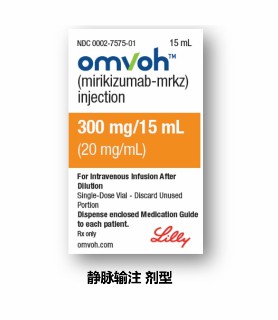
Data from the VIVID-2 open-label extension study provide strong support for the use of militizumab in Crohn's disease. In the VIVID-1 study, 92.9% of patients were able to maintain clinical remission after 1 year of treatment, while among VIVID-2-treated patients, 87.6% maintained endoscopic response. These data demonstrate that milizumab has excellent long-term efficacy. In addition, 78.6% of patients with endoscopic response at 1 year of VIVID-1 treatment remained in good condition at 2 years. Notably, 60.8% of patients achieved clinical remission within the second year of treatment, although they did not meet CDAI clinical response criteria in the first year. For those patients who did not have endoscopic response within the first year, 35.4% also achieved endoscopic response during the second year of treatment, demonstrating the potential and flexibility of militizumab.
When formulating a treatment plan, it is crucial to understand the effectiveness, safety, and impact of the drug on the patient's condition. So the news of the approval of militizumab, along with the series of results discussed at the Crohn's and Colitis Congress, is really exciting. As clinical practice continues to evolve, medical staff need more detailed clinical data to guide their decisions in order to provide patients with the best quality medical services.
The success of militizumab is not only reflected in its therapeutic effect, but also highlights the progress of modern biomedical research. Through an in-depth understanding of the mechanisms of the immune system, researchers can develop treatment options for specific targets, providing effective treatment options for more patients with chronic diseases. In addition, the emergence of this new type of drug has prompted the pharmaceutical industry to increase investment in research into new treatments, with a view to developing more innovative drugs in the future.
Reference materials:https://www.hcplive.com/view/long-term-vivid-2-data-mirikizumab-crohn-disease-with-edward-barnes-md-mph
[ 免责声明 ] 本页面内容来自公开渠道(如FDA官网、Drugs官网、原研药厂官网等),仅供持有医疗专业资质的人员用于医学药学研究参考,不构成任何治疗建议或药品推荐。所涉药品可能未在中国大陆获批上市,不适用于中国境内销售和使用。如需治疗,请咨询正规医疗机构。本站不提供药品销售或代购服务。


