
.jpeg)
Latest progress on FDA accelerated approval of AVMAPKI combined with FAKZYNJA for the treatment of KRAS mutated recurrent low-grade serous ovarian cancer
2025year5month9day, biopharmaceutical companyVerastem Oncology announced that the U.S. Food and Drug Administration (FDA) has granted accelerated approval to its combination AVMAPKI (avutometinib capsules) and FAKZYNJA (defactinibtablets), indicated for the treatment of recurrent low-grade serous ovarian cancer (LGSOC) in adult patients with KRAS gene mutations who have received prior systemic therapy. This approval marks an important step forward in the treatment of LGSOC patients and provides new treatment options for these patients.
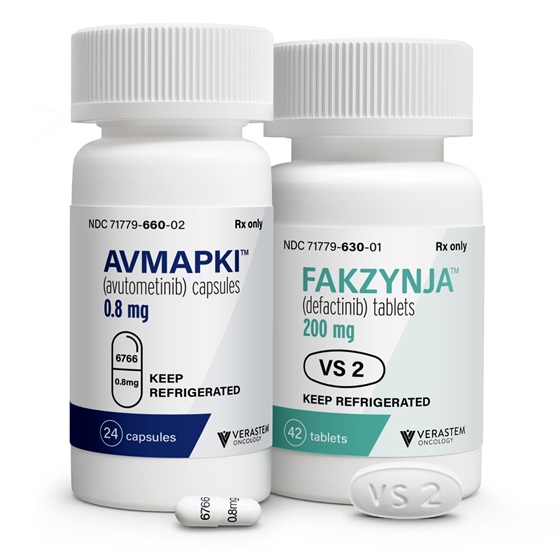
AVMAPKI and FAKZYNJA are both developed by Verastem Oncologydeveloped, AVMAPKIcapsule specification is 0.8mg, FAKZYNJAtablet specification is 200mg. AVMAPKI is a white capsule, the capsule is stamped with “6766”, and the capsule body is stamped with “0.8mg ", FAKZYNJA is an oval white to off-white tablet with a debossed mark of "VS2" on one side. Both drugs need to be stored in a refrigerator between 2℃ and 8℃ to ensure stable efficacy.
This combination is indicated for the treatment of recurrent LGSOC patients who have received systemic therapy and have KRAS mutations in their tumors. In terms of usage and dosage, AVMAPKI should be taken orally twice a week during the first 3 weeks of each 28 day cycle. , each dose is 3.2mg (4capsules of 0.8mg). It is recommended to take it with meals and swallow the whole capsule. FAKZYNJAis taken twice a day, 200mg each time. It can also be taken with meals. The tablet must be taken whole and should not be chewed or broken.
During the patient screening process, tumor specimens must be tested to confirm KRAS mutation positivity to ensure targeted treatment. There is currently no official trial approved by the FDA for LGSOC KRAS mutation detection, but this molecular marker is a key basis for selecting this combination therapy. In addition, you need to pay attention to eye health during treatment and conduct comprehensive eye examinations every few cycles to prevent and early detect potential eye toxicity problems. Also, cutaneous toxicity is common with combined medications, so topical steroids and systemic oral antibiotics are recommended as preventive measures.
In terms of adverse reactions, the most common side effects in patients include increased creatine phosphokinase, nausea, fatigue, rash, diarrhea, and abnormal liver function. In addition, ocular toxicity such as vitreoretinopathy and visual impairment require close monitoring. If symptoms appear or worsen, medication should be adjusted in a timely manner. Monitoring of liver function and creatine phosphokinase levels is equally important to avoid severe toxic effects. Pregnant women and women of childbearing age should avoid taking the drug, and take effective contraceptive measures during treatment and after stopping the drug to avoid fetal risks.
In terms of drug interactions, FAKZYNJA is a CYP3A4 metabolic substrate. When using it, it is necessary to avoid combining it with strong CYP3A4 inhibitors or inducers to avoid affecting the efficacy or increasing the risk of toxicity. In addition, if patients need to take warfarin at the same time, their coagulation function needs to be closely monitored. Gastric acid reducing agents such as proton pump inhibitors may reduce the absorption of FAKZYNJA. When used, the administration time should be adjusted to ensure efficacy.
In terms of use in special populations, there are no clear pediatric data, and the response in elderly patients is not yet completely clear. Lactating women should avoid breastfeeding during medication and within 2 weeks after stopping medication to prevent serious adverse reactions in children. This combination treatment may also have adverse effects on male and female fertility, and patients need to be informed of the risks in advance.
Patients should strictly follow medical instructions when using this drug, undergo regular eye and laboratory examinations, and report any abnormal symptoms in a timely manner. During treatment, you should pay attention to sun protection to reduce the occurrence of photosensitivity reactions. If severe skin or eye symptoms occur, you should seek medical treatment as soon as possible. Through scientific and reasonable medication management and close monitoring, AVMAPKI combined with FAKZYNJA brings new treatment hope to patients with recurrent KRAS mutation LGSOC.
In conclusion, FDA’s accelerated approval of AVMAPKI and FAKZYNJA provides effective new treatment options for patients with KRAS mutated recurrent low-grade serous ovarian cancer. Patients and clinicians should work closely together to rationally apply this drug combination to maximize its therapeutic effect and effectively control side effects, helping patients overcome the disease.
References:
https://www.verastem.com/pdf/avmapki-faczynja-co-pack-full-prescribing-information.pdf
[ 免责声明 ] 本页面内容来自公开渠道(如FDA官网、Drugs官网、原研药厂官网等),仅供持有医疗专业资质的人员用于医学药学研究参考,不构成任何治疗建议或药品推荐。所涉药品可能未在中国大陆获批上市,不适用于中国境内销售和使用。如需治疗,请咨询正规医疗机构。本站不提供药品销售或代购服务。


