
.jpeg)
Upadatinib as a new treatment for giant cell arteritis
Giant cell arteritis (GCA) is a vasculitis of large and medium-sized arteries, primarily the cranial branches of the aorta, affecting adults over the age of 50. Currently, there is an unmet need for steroid-sparing therapy for GCA, and only one glucocorticoid-sparing agent is currently approved, tocilizumab, an IL-6 receptor inhibitor. Interleukin-6 and interferon-γ play a role in the pathogenesis of GCA through Janus kinase (JAK)/activator of signal transduction and transcription signaling pathways. The SELECT-GCA study evaluated the efficacy and safety of upadacitinib (Upadacitinib) versus placebo in combination with glucocorticoid tapering in patients with GCA. The study found that upadatinib 15 mg daily with steroid tapering for 26 weeks was more effective than placebo with steroid tapering for 52 weeks in the treatment of GCA.
The study enrolled patients with GCA at 100 sites in 24 countries. Eligible patients included adults aged 50 years and older with a clinical diagnosis of new or recurrent GCA, confirmed by temporal artery biopsy or imaging (ultrasound, PET, CT, MRI, or angiography). The researchers excluded patients with prior exposure to JAK inhibitors and those who experienced disease flare while receiving IL-6 inhibitor treatment. Patients were randomly assigned, in a 2:1:1 ratio, to receive either 15 mg or 7.5 mg once daily doses of upadatinib in combination with a prespecified 26-week steroid taper or placebo with a prespecified 52-week steroid taper. The primary endpoint was sustained remission at week 52, defined as the absence of signs or symptoms of GCA from weeks 12 to 52 and compliance with protocol-specified steroid tapering. Secondary endpoints included sustained complete response, time to disease onset, cumulative exposure to glucocorticoids and steroid-related adverse events, and patient-reported outcomes.
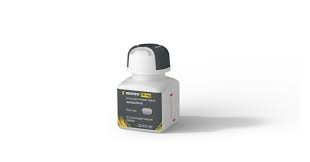
A total of 428 patients were randomized and treated. Demographics and baseline characteristics were similar across trial groups, with 70% having new-onset GCA and 30% having recurrent disease. All patients underwent temporal artery biopsy that showed features consistent with GCA, or evidence of large vessel vasculitis on imaging, or both. The average glucocorticoid dose in each group at baseline was 35 mg/d.
In this study, a significantly greater proportion of patients who took upadacitinib 15 mg daily and followed steroid tapering for 26 weeks had sustained remission at week 52 than those who took placebo for 52 weeks (46.4% vs. 29%; P=0.002). Upadatinib 7.5 mg daily did not result in a significant increase in the percentage of patients with sustained remission compared with placebo. For secondary endpoints, including sustained complete response, time to disease onset, cumulative glucocorticoid exposure and patient-reported outcomes, upadatinib dailyThe 15mg dose was also better than placebo. For example, patients who received a 15 mg dose of upadacitin had significantly lower total glucocorticoid exposure over 52 weeks compared with placebo (median exposure, 1615 mg vs 2882 mg; P<0.001). Safety results throughout the study were similar between the two groups. The most common adverse reactions during treatment with upadacitinib 15 mg dose included headache (16%), arthralgia (14%), hypertension (13%) and COVID-19 (13.4%).
This study highlights a phase 3 clinical trial using the JAK inhibitor upadatinib to treat GCA, demonstrating the efficacy of a once-daily dose of 15 mg of the steroid over placebo with a reduced dose of the steroid. Almost half of the patients taking upadacitinib 15 mg daily were in sustained remission at week 52, compared with 29% of those taking placebo.
These results suggest that upadatinib may reduce steroid tapering more quickly and reduce cumulative glucocorticoid toxicity. The incidence of adverse events, such as cancer and venous thromboembolic events, was reassuringly similar between the pentatinib and placebo groups. One limitation is the need for long-term safety assessment by extending the trial period, especially for some potential long-term adverse effects, such as major adverse cardiovascular events. This study shows promising, exciting results for the potential use of upapatinib as an additional steroid-sparing agent in the GCA armamentarium.
References:https://www.docwirenews.com/post/upadacitinib-as-new-treatment-for-giant-cell-arteritis
[ 免责声明 ] 本页面内容来自公开渠道(如FDA官网、Drugs官网、原研药厂官网等),仅供持有医疗专业资质的人员用于医学药学研究参考,不构成任何治疗建议或药品推荐。所涉药品可能未在中国大陆获批上市,不适用于中国境内销售和使用。如需治疗,请咨询正规医疗机构。本站不提供药品销售或代购服务。


