
.jpeg)
Is there a high risk of recurrence if baricitinib is discontinued?
Baricitinib (Baricitinib) is a selectiveJanus kinase (JAK) inhibitor, mainly used to treat moderately to severely active rheumatoid arthritis (RA). It has significant efficacy in patients with poor response to traditional DMARDs (such as methotrexate). The drug inhibits the JAK1 and JAK2 signaling pathways and interferes with the signaling of various inflammatory cytokines, thereby effectively reducing synovial inflammation, delaying joint destruction, and relieving pain and morning stiffness. Clinical observations show that baricitinib usually requires continued medication to maintain the immunomodulatory effect. Once the medication is discontinued, patients may have a reactivation of the disease and an increase in disease activity.
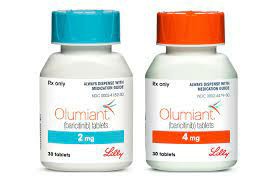
Whether recurrence occurs after baricitinib is discontinued, as well as the severity of recurrence, are closely related to the individual's disease control level, duration of disease, and whether it is accompanied by other basic treatments. Some studies have pointed out that some patients may reappear with symptoms such as joint swelling and pain and elevated inflammatory indicators within 1 to 3 months after stopping baricitinib treatment, indicating that the disease has entered an active stage and may even develop into an acute attack. Especially for patients whose disease control relies on JAK pathway inhibition, once treatment is interrupted, the levels of inflammatory factors in the body can quickly rebound, triggering reactivation of inflammation.
However, not all patients experience severe relapse after stopping the drug. Some individuals with stable disease and combined treatment with other immunomodulatory drugs may be able to maintain a certain degree of remission. Before considering discontinuing medication, clinicians usually comprehensively assess the patient's disease activity (such asDAS28 score), imaging changes, biomarker levels, and past recurrence history, and formulate an individualized drug reduction or discontinuation plan. In addition, if relapse occurs after discontinuation of treatment, restarting baricitinib treatment is often still effective and can control the inflammatory response again, but repeated initiation may also increase the risk of drug resistance or the accumulation of adverse reactions.
Reference materials:https://go.drugbank.com/drugs/DB11817
[ 免责声明 ] 本页面内容来自公开渠道(如FDA官网、Drugs官网、原研药厂官网等),仅供持有医疗专业资质的人员用于医学药学研究参考,不构成任何治疗建议或药品推荐。所涉药品可能未在中国大陆获批上市,不适用于中国境内销售和使用。如需治疗,请咨询正规医疗机构。本站不提供药品销售或代购服务。


