
.jpeg)
What types of cancer is Anamorelin suitable for? Is it available for patients with non-small cell lung cancer?
Anamorelin(Anamorelin) is a selective oral ghrelin receptor agonist, mainly developed for the treatment of cancer cachexia. Cancer cachexia is a complex metabolic syndrome that is common in a variety of advanced tumors and manifests as progressive weight loss, muscle loss, loss of appetite, and functional deterioration. It has a significant impact on patients' treatment response and quality of life. Anamorelin's mechanism of action is not to directly anti-tumor, but by simulating the activity of ghrelin (a gastric hormone), promoting the secretion of growth hormone from the hypothalamus, stimulating appetite, enhancing muscle synthesis, and improving the patient's energy metabolism.
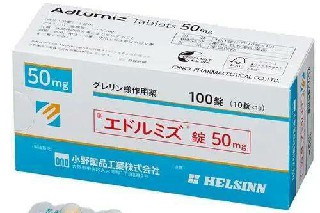
In multiple international clinical studies, anamorelin is mainly used to treat cachexia caused by non-small cell lung cancer (NSCLC). Such patients usually have a faster disease progression, and weight loss and loss of appetite are more common. NSCLC patients who receive chemotherapy or targeted therapy for a long time have a sharp increase in metabolic consumption and are prone to muscle mass loss and significant weight loss. Anamorelin has shown potential in improving the weight stability, skeletal muscle quality and subjective eating experience of such patients. Based on this, the Japanese Ministry of Health, Labor and Welfare has approved anamorelin for the treatment of NSCLC-related cachexia and as an important component of adjuvant supportive therapy for such patients.
In addition to non-small cell lung cancer, research on anamorelin also involves pancreatic cancer, gastric cancer, colorectal cancer and other digestive tract tumors. However, its application in these tumor types is still mainly based on clinical trials and has not yet been generally approved for use. Therefore, NSCLC is currently one of the most representative indications for its clinical use. It should be noted that the use of anamorelin should be evaluated in conjunction with the patient's overall condition, and is particularly suitable for patients who still have an active anti-tumor treatment plan, as it can help enhance treatment tolerance and overall prognosis.
Reference materials:https://pmc.ncbi.nlm.nih.gov/articles/PMC4677053/
[ 免责声明 ] 本页面内容来自公开渠道(如FDA官网、Drugs官网、原研药厂官网等),仅供持有医疗专业资质的人员用于医学药学研究参考,不构成任何治疗建议或药品推荐。所涉药品可能未在中国大陆获批上市,不适用于中国境内销售和使用。如需治疗,请咨询正规医疗机构。本站不提供药品销售或代购服务。


