
.jpeg)
What are the differences between lenvatinib/lenvatinib and bevacizumab in the treatment of glioma?
Lenvatinib and bevacizumab are both anti-angiogenic drugs widely used in the treatment of solid tumors, but they have many differences in molecular targets, mechanisms of action, treatment strategies, and clinical roles in glioma.
Gliomas are a type of highly heterogeneous and aggressive central nervous system tumors, of which glioblastoma (GBM) is the most aggressive and therapeutically challenging subtype. Current standard treatments include surgical resection, radiotherapy, and chemotherapy with temozolomide, but most patients still experience recurrence. Anti-angiogenic therapy has become an important direction in exploring breakthroughs in the treatment of brain glioma. Both bevacizumab and lenvatinib have demonstrated potential clinical value, but each has its own advantages and limitations.
Bevacizumab is a recombinant humanized monoclonal antibody that targets vascular endothelial growth factorA (VEGF-A). It inhibits the formation of new blood vessels by blocking the binding of VEGF-A to its receptor. It has been approved in multiple tumor types, including colorectal cancer, non-small cell lung cancer, and renal cancer. In the field of glioma, bevacizumab is currently the only anti-angiogenic drug approved by the FDA for the treatment of recurrent GBM. Its application is mainly based on its significant ability to resist edema and improve radiological images, which can quickly reduce tumor-related brain edema and improve patients' quality of life. However, bevacizumab's direct killing effect on tumor cells itself is limited. Its effect on improving median progression-free survival (PFS) is obvious, but its prolongation of overall survival (OS) is not significant. In addition, long-term use may lead to a "false reaction" phenomenon, that is, the lesions shrink on imaging, but the actual tumors are still progressing, making clinical evaluation more complicated.
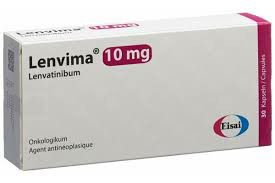
In contrast, lenvatinib is a multi-target oral tyrosine kinase inhibitor (TKI), whose targets include VEGFR1-3, FGFR1-4, PDGFRα, RET and KIT. It simultaneously interferes with tumor angiogenesis, cell proliferation and metastasis through multiple mechanisms, and has a broader anti-tumor potential. In research on the treatment of glioma, although lenvatinib has not yet been approved, its ability to inhibit the FGFR pathway has attracted particular attention because more and more studies have found that some gliomas have molecular changes such as FGFR fusion or overexpression. In addition, the multi-pathway inhibitory properties of lenvatinib may be more suitable to deal with the highly heterogeneous biological background of glioma. It also has the advantage of oral administration and has shown certain ability to cross the blood-brain barrier, providing the possibility for targeted treatment of solid brain tumors.
In terms of safety, bevacizumab, as an antibody drug, does not easily pass through the blood-brain barrier, but it indirectly improves symptoms by acting on vascular permeability. Its adverse reactions mainly include hypertension, proteinuria, increased risk of bleeding and delayed wound healing. Lenvatinib has a wide spectrum of adverse reactions, including hypertension, fatigue, loss of appetite and abnormal liver function. Regular monitoring of blood pressure and liver and kidney function is required during use. Due to its oral nature, patient compliance is good, but tolerability needs to be closely monitored during long-term use.
In terms of treatment strategy, bevacizumab is more suitable for short-term relief of symptoms, reduction of edema, and control of disease progression, especially as an important tool to reduce clinical burden in acute radiation-induced cerebral edema or glioma recurrence stage. Research on lenvatinib is gradually turning to its combination with other therapies, such as immune checkpoint inhibitors (PD-1/PD-L1 antibodies), hoping to combat the immunosuppressive microenvironment of glioma through multiple mechanisms. In addition, some preliminary studies are also exploring the possibility of combining lenvatinib with temozolomide chemotherapy or radiotherapy to evaluate its effect on enhancing sensitivity to radiochemotherapy.
In general, although bevacizumab and lenvatinib are both anti-angiogenic drugs, they have their own characteristics in terms of mechanism of action, target specificity, clinical application stage and development direction. Bevacizumab has relatively mature clinical application experience in brain glioma, especially in improving neurological symptoms, and has irreplaceable value. Lenvatinib, as a new generation of multi-target TKI, is still in the exploratory stage in the treatment of glioma, but it has great potential and is particularly suitable for use in personalized treatment strategies in the context of precision medicine.
In the future, with the release of more prospective clinical trial results, the status of lenvatinib in glioma is expected to be further clarified, and it may complement bevacizumab to provide diversified treatment options for complex and refractory neurological tumors.
Reference materials:https://www.lenvima.com/
[ 免责声明 ] 本页面内容来自公开渠道(如FDA官网、Drugs官网、原研药厂官网等),仅供持有医疗专业资质的人员用于医学药学研究参考,不构成任何治疗建议或药品推荐。所涉药品可能未在中国大陆获批上市,不适用于中国境内销售和使用。如需治疗,请咨询正规医疗机构。本站不提供药品销售或代购服务。


