
.jpeg)
How effective and safe is fotantinib/fotantinib in clinical studies?
Fostamatinib is an oral small molecule tyrosine kinase inhibitor that targets spleen tyrosine kinase (SYK), which plays a core regulatory role in a variety of immune-mediated diseases. Since the drug was approved by the U.S. FDA for the treatment of chronic immune thrombocytopenia (ITP) that is poorly responsive to first-line treatments (such as corticosteroids and immunoglobulins), clinical studies on its effectiveness and safety have been gradually carried out and gradually expanded to other indications, such as IgA nephropathy, rheumatoid arthritis, autoimmune hemolytic anemia and chronic graft-versus-host disease.
In the treatment of chronic ITP, clinical studies of fotantinib have shown that it can inhibit the SYK pathway, thereby reducing the phagocytosis of antibody-coated platelets by macrophages, thereby effectively increasing the peripheral blood platelet count. This mechanism of action is fundamentally different from other currently existing treatment strategies (such as TPO receptor agonists, immunosuppressants, etc.), providing a new treatment option for ITP patients. Especially in patients who are resistant or intolerant to standard therapies, the role of fotantinib is considered to have high clinical value.
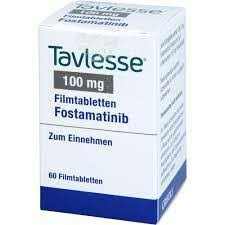 ,
,
In clinical studies, fotantinib has shown a certain speed of onset of action, and its active metaboliteR406 can quickly achieve target inhibition in the body. Most subjects experienced an increase in platelet levels within a few weeks of taking the drug, which is particularly critical for patients at high risk of bleeding. The study also pointed out that fotantinib showed dose-dependent efficacy within a certain dose range, that is, higher doses could bring about a more significant platelet response rate. However, in order to avoid the occurrence of dose-related adverse reactions, the recommended dose is usually based on the maximum tolerated dose (MTD) principle and is individually adjusted in clinical practice based on patient tolerance.
In terms of safety, fotantinib is generally well tolerated, but its adverse reaction spectrum requires close attention. In multiple clinical trials, the more common adverse events include diarrhea, hypertension, fatigue, elevated liver enzymes and infection tendency. Among them, diarrhea and increased blood pressure are the more prominent problems, which may be related to R406's effect on intestinal epithelial cell permeability and vascular reactivity. Most adverse reactions are mild to moderate and can be alleviated through symptomatic and supportive treatment, dose adjustment, or temporary discontinuation of medication. It should be noted that fotantinib may indirectly affect the body's infection defense ability through immunomodulatory effects, so it should be used with special caution in patients with low immune function. For patients with abnormal liver function, previous hypertension or multi-drug combination, it is recommended to regularly monitor liver function, blood pressure and hemogram parameters during treatment to evaluate the safety of treatment.
Fortantinib is currently also being used to explore its therapeutic potential in other immune-related diseases, especially in Research in the field of rare diseases such as IgA nephropathy and graft-versus-host disease is progressing rapidly. In these studies, SYK serves as an important center of inflammatory signal transduction, and its inhibition may help reduce glomerular damage or tissue inflammatory infiltration. This mechanism of action may enable fotantinib to go beyond the scope of a single platelet-elevating drug and become a member of a broad spectrum of immunomodulatory drugs.
Reference materials:https://go.drugbank.com/drugs/DB12010
[ 免责声明 ] 本页面内容来自公开渠道(如FDA官网、Drugs官网、原研药厂官网等),仅供持有医疗专业资质的人员用于医学药学研究参考,不构成任何治疗建议或药品推荐。所涉药品可能未在中国大陆获批上市,不适用于中国境内销售和使用。如需治疗,请咨询正规医疗机构。本站不提供药品销售或代购服务。


