
.jpeg)
Can Anamorelin cause hyperglycemia? Can diabetics use it?
Anamorelin (Anamorelin), as a ghrelin receptor agonist, essentially simulates the action of natural ghrelin in the body, thereby stimulating the release of growth hormone from the hypothalamus and pituitary axis. This physiological pathway is closely related to glucose metabolism, so in some patients, especially those with abnormal glucose metabolism, anamorelin may induce an increase in blood sugar. The increase in growth hormone can lead to an increase in insulin resistance, thereby causing an increase in fasting blood sugar levels and possibly affecting postprandial blood sugar control.
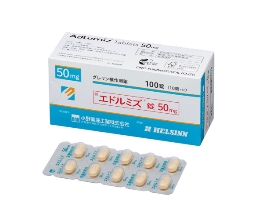
For diabetic patients, especially type 2 diabetics, their insulin sensitivity has decreased, and coupled with the metabolic effects of anamulin, there is indeed a risk of hyperglycemia. Patients taking anamorelin should closely monitor their blood glucose levels during treatment, especially in the first few weeks of treatment. Fasting and postprandial blood glucose should be recorded daily, and the dosage of antidiabetic drugs should be adjusted if necessary. In clinical practice, doctors usually comprehensively judge whether anamulin is suitable for use based on the patient's diabetes type, pancreatic islet function, and whether it is accompanied by other metabolic diseases.
However, this should not completely exclude patients with diabetes from using this drug. For patients with cancer cachexia, the urgency of nutritional support often outweighs the risks of mild to moderate hyperglycemia. The strategy of properly regulating blood sugar and rationally combining insulin or oral hypoglycemic drugs can allow diabetic patients to use anamorelin in a relatively safe manner and obtain the clinical benefits of weight recovery and appetite improvement.
In addition, some foreign studies have begun to explore individualized blood sugar management strategies when using anamorelin, including the use of long-acting insulin and limiting the intake of high-glycemic index foods to reduce blood sugar fluctuations during medication. These measures are expected to optimize the scope of clinical use of anamorelin in the future, making it not only widely used in non-diabetic patients, but also providing new treatment options for people with diabetes and cachexia.
Reference materials:https://pmc.ncbi.nlm.nih.gov/articles/PMC4677053/
[ 免责声明 ] 本页面内容来自公开渠道(如FDA官网、Drugs官网、原研药厂官网等),仅供持有医疗专业资质的人员用于医学药学研究参考,不构成任何治疗建议或药品推荐。所涉药品可能未在中国大陆获批上市,不适用于中国境内销售和使用。如需治疗,请咨询正规医疗机构。本站不提供药品销售或代购服务。


