
.jpeg)
Is obeticholic acid suitable for the treatment of hepatitis B cirrhosis?
Obeticholic acid (Obeticholic acid): Currently mainly approved for the treatment of primary biliary cholangitis (PBC), but not for cirrhosis related to hepatitis B virus (HBV). Its mechanism of action is to regulate the synthesis and transport of bile acids by activating the farnesoid X receptor (FXR) in hepatocytes, thereby improving cholestasis, reducing toxic damage to hepatocytes and delaying the process of fibrosis. For hepatitis B-related cirrhosis, the main cause is chronic inflammatory response and immune-mediated liver tissue destruction caused by the persistence of viral replication. This pathological mechanism is significantly different from PBC. Therefore, obeticholic acid cannot replace hepatitis B antiviral treatment and should not be used as a first-line drug for HBV cirrhosis.
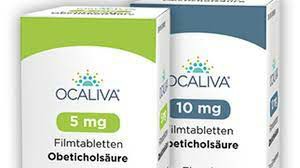
Although some basic studies have explored the potential auxiliary role of obeticholic acid in hepatitis B liver fibrosis or early cirrhosis, so far, clinical research data in this area are extremely limited, and there is insufficient evidence to support its effectiveness and safety inHBV-related cirrhosis. What is more noteworthy is that obeticholic acid does not have antiviral activity and cannot inhibit HBV replication, so it cannot solve the root cause of hepatitis B. The standard treatment for patients with hepatitis B cirrhosis should still be based on nucleos(t)ide antiviral drugs to control viral replication and delay disease progression.
In addition, obeticholic acid still needs to be used with caution in patients with significant liver function impairment, especially in the decompensated stage of cirrhosis, as it may increase bilirubin levels or aggravate liver function abnormalities. In the context of hepatitis B cirrhosis, which has not yet been approved, blind attempts may bring unexpected risks.
In general, obeticholic acid is not recommended as a routine option in the treatment of hepatitis B cirrhosis, and its use should be limited toPBC and related intrahepatic cholestasis diseases. For patients with hepatitis B cirrhosis, anti-viral treatment should still be the core, combined with anti-fibrosis, nutritional support and liver protection treatment, and individualized plans should be formulated under the guidance of professional doctors.
Reference materials:https://en.wikipedia.org/wiki/Obeticholic_acid
[ 免责声明 ] 本页面内容来自公开渠道(如FDA官网、Drugs官网、原研药厂官网等),仅供持有医疗专业资质的人员用于医学药学研究参考,不构成任何治疗建议或药品推荐。所涉药品可能未在中国大陆获批上市,不适用于中国境内销售和使用。如需治疗,请咨询正规医疗机构。本站不提供药品销售或代购服务。


