
.jpeg)
Detailed explanation of the efficacy and side effects of Brivaracetam/Brivaracetam
Brivaracetam/Brivaracetam is a new generation of anti-epileptic drugs whose main indication is the treatment of focal epileptic seizures in patients over 12 years of age. It reduces the excessive activation of synaptic transmission in neurons by selectively binding to the neuronal synaptic vesicle protein SV2A, thereby inhibiting the propagation of epileptic discharges. This mechanism is similar to the older generation anti-epileptic drug levetiracetam, but brivaracetam has a higher affinity for SV2A and therefore exhibits better efficacy and fewer psychiatric side effects in some patients.
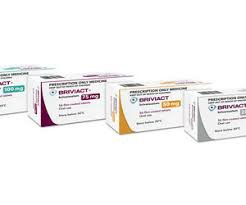
In terms of therapeutic efficacy, brivaracetam has been shown to have stable clinical advantages in significantly reducing the frequency of focal seizures, especially in patients who have poor response or tolerance to other anti-epileptic drugs. It has a fast onset of action and a short time to reach peak blood concentration, which helps to quickly control epileptic activity. At the same time, due to its good pharmacokinetic characteristics, including low protein binding rate, inactive toxic metabolites, and minimal impact on renal function, it is suitable for use in patients with a variety of comorbidities.
In terms of safety, the side effects of brivaracetam are generally mild, but they still require attention. The most common adverse reactions include drowsiness, dizziness, fatigue, nausea and upper respiratory tract infection. These side effects are mostly mild to moderate, usually appear at the beginning of treatment, and may resolve on their own as treatment continues. Some patients may also experience mood swings, depression, or aggressive tendencies, although the incidence is low, but special vigilance should be exercised in those with a history of mental illness.
Of note, brivaracetam may be less likely to induce mood abnormalities than levetiracetam and may therefore have a clinical advantage in patients with poor tolerance for psychiatric side effects. However, in rare cases, drug allergy or more serious adverse events may still occur, so it is recommended that patients maintain regular follow-up during medication and report any abnormal reactions in a timely manner.
Reference materials:https://www.briviact.com/
[ 免责声明 ] 本页面内容来自公开渠道(如FDA官网、Drugs官网、原研药厂官网等),仅供持有医疗专业资质的人员用于医学药学研究参考,不构成任何治疗建议或药品推荐。所涉药品可能未在中国大陆获批上市,不适用于中国境内销售和使用。如需治疗,请咨询正规医疗机构。本站不提供药品销售或代购服务。


