
.jpeg)
Belzutifan’s new indications, dosage and administration method
Belzutifan as aHIF-2α inhibitor, has recently been approved by the FDA for the treatment of locally advanced, unresectable or metastatic pheochromocytoma (Pheochromocytoma) and paraganglioma (collectively referred to as PPGL), marking the further expansion of its clinical application scope. The approval of this indication not only reflects the accuracy of besotivan in its target mechanism, but also fills the gap in the long-term lack of oral systemic treatment options in the field of PPGL treatment, which is of great significance to both doctors and patients. Especially when traditional surgery is difficult to completely cure the disease or the disease has spread to the unresectable stage, bezutivan brings a more feasible treatment option to patients.
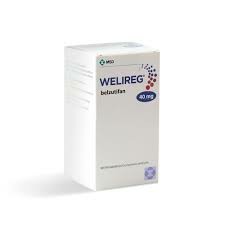
In terms of dosage, the administration method of besetivan is highly standardized. For adult patients, the recommended dose is 120 mg taken orally daily, which does not require a specific time before or after meals, simplifying the treatment process and improving compliance. For pediatric patients 12 years old and above, the dose setting is graded according to weight: adolescents weighing 40 kg or more, the dose is consistent with adults, that is, 120 mg per day; while pediatric patients weighing less than 40 kg, the recommended dose is 80 mg orally per day. This weight-stratified dose design reflects attention to the pharmacokinetic characteristics of children, and also helps to control blood drug concentrations more safely and reduce potential toxicity risks.
Bestivan is a continuous medication during the treatment cycle and should be taken regularly every day until the disease progresses or the patient experiences unacceptable adverse reactions. Since it is a targeted drug and may gradually accumulate effects during long-term use, it is recommended to closely monitor physiological indicators such as blood routine, liver function, electrolytes, and blood oxygen saturation during use in order to adjust the medication plan or deal with adverse reactions in a timely manner. In addition, doctors need to avoid coadministration with strong CYP3A4 inhibitors or inducers to reduce the impact of drug interactions on efficacy and safety.
References:https://www.fda.gov/drugs/resources-information-approved-drugs/fda-approves-belzutifan-pheochromocytoma-or-paraganglioma
[ 免责声明 ] 本页面内容来自公开渠道(如FDA官网、Drugs官网、原研药厂官网等),仅供持有医疗专业资质的人员用于医学药学研究参考,不构成任何治疗建议或药品推荐。所涉药品可能未在中国大陆获批上市,不适用于中国境内销售和使用。如需治疗,请咨询正规医疗机构。本站不提供药品销售或代购服务。


