
.jpeg)
What should I do if my treatment with Retifanlimab (Zynyz) fails or my side effects are severe?
During the use of Retifanlimab (trade name: Zynyz) for the treatment of squamous cell carcinoma of the anal canal (SCAC), although most patients can benefit from it, some patients may experience treatment failure or severe side effects. Faced with this situation, patients and doctors should jointly develop reasonable response strategies to protect the patient's life safety, alleviate discomfort, and optimize subsequent treatment paths.
First of all, if a patient fails to respond to Retifanlimab treatment, that is, the tumor continues to progress, the disease is stable without significant improvement, or the disease relapses within a short period of time, this is usually classified as treatment failure. At this time, doctors need to evaluate whether there is a resistance mechanism or a biological reason why immunotherapy is ineffective based on the patient's pathological characteristics, molecular test results, and systemic condition. A common response is to change treatment options, such as switching to traditional chemotherapy, targeted drugs, or entering clinical trial projects to try a new generation of immunotherapy or combination drug strategies. In addition, local treatment modalities, such as palliative radiotherapy, can also be considered to relieve symptoms and prolong survival.
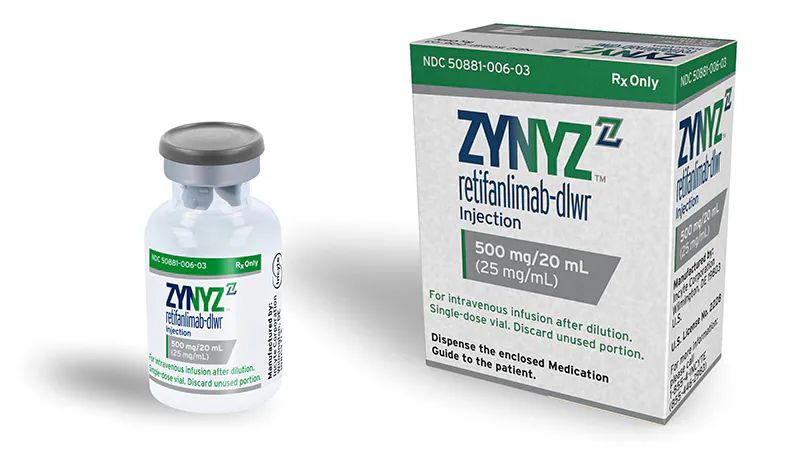
Secondly, serious immune-related side effects are the most concerning issue when using Retifanlimab. The mechanism of this type of drug is to relieve the inhibition of T cells, thereby enhancing the immune response to attack tumors. However, this may also cause the immune system to attack normal tissues, causing a series of inflammatory adverse reactions such as pneumonia, colitis, hepatitis, thyroid dysfunction, and skin toxicity. Once serious side effects, such as grade III or IV immunotoxicity, occur, the medication should be suspended immediately and immunosuppressive treatment with glucocorticoids (such as prednisone or methylprednisolone) should be performed. In some cases, when hormone therapy is ineffective, immunosuppressive drugs such as infliximab or intravenous immune globulin may also be needed. During the treatment process, patients need to closely monitor body temperature, breathing conditions, defecation frequency, liver and kidney function, etc. to facilitate timely intervention.
For some patients who cannot tolerate the side effects of Retifanlimab, especially those who are older and have more comorbidities, doctors may recommend slowing down the frequency of medication, temporarily suspending treatment, or permanently discontinuing the medication and switching to alternative treatment based on the severity of the adverse reactions. If symptoms persist or the condition worsens after stopping the drug, symptomatic and supportive treatment is also required, such as the use of anti-infective drugs, fluid rehydration, electrolyte balance adjustment, nutritional support and other comprehensive measures.
In addition, psychological support and nutritional management are also important components after treatment failure or side effects occur. Patients who fail to receive immunotherapy often face emotional distress such as anxiety and depression, which may have a significant impact on their quality of life. Therefore, medical staff should provide psychological counseling resources to encourage patients to maintain a positive attitude and cooperate with subsequent treatment. In terms of nutrition, because some side effects such as diarrhea and stomatitis can affect appetite and nutrient absorption, it is recommended that patients make individualized dietary adjustments under the guidance of a nutritionist to ensure that their physical strength and immune function are maintained in a good state.
In short, during the treatment of Retifanlimab, once ineffectiveness or serious side effects occur, you should not blindly stop the drug or change the treatment plan on your own, but should conduct a comprehensive assessment and intervention under the guidance of a professional doctor. Through timely identification, scientific treatment and multi-disciplinary collaboration, most adverse conditions can be effectively controlled. Patients should also maintain communication with their doctors, actively cooperate with treatment, increase the possibility of subsequent treatment options, and strive for the best survival and quality of life.
https://www.fda.gov/drugs/resources-information-approved-drugs
[ 免责声明 ] 本页面内容来自公开渠道(如FDA官网、Drugs官网、原研药厂官网等),仅供持有医疗专业资质的人员用于医学药学研究参考,不构成任何治疗建议或药品推荐。所涉药品可能未在中国大陆获批上市,不适用于中国境内销售和使用。如需治疗,请咨询正规医疗机构。本站不提供药品销售或代购服务。


