
.jpeg)
FDA approves Avutometinib combined with Defactinib to treat KRAS-mutated recurrent low-grade serous ovarian cancer
The FDA has granted accelerated approval to avutometinib plus defactinib (Avmapki-Faczynja combination) for the treatment of adult patients with KRAS-mutant recurrent low-grade serous ovarian cancer (LGSOC) who have received prior systemic therapy.
The regulatory decision was supported by data from RAMP-201 (NCT04625270), which showed an overall efficacy rate of 44% (95% confidence interval[CI], 31%-58%) in confirmed cases due to double peaks, with a complete efficacy rate of 3.5% and a partial efficacy rate of 40%. 3Duration of response (DOR) ranged from 3.3 months to 31.1 months.
Low-grade serous ovarian cancer is a rare and highly recurrent cancer with limited effective treatment options. The FDA's first approval for this disease was based on a preliminary analysis of the phase 2 RAMP 201 trial, in which the combination of avutometinib and defactinib resulted in a significant overall response rate in patients with KRAS mutations and was generally well tolerated.
1. ReviewRAMP-201: Population, Treatment, Targets
This open-label, multicenter trial enrolled adult patients (n=57) with measurableKRAS-mutated recurrent LGSOC. To participate, patients must have received at least 1 prior systemic therapy, including a platinum-based regimen. Patients were excluded if they were eligible for debulking surgery, were receiving warfarin, had active skin disease requiring systemic therapy within the past year, or had ocular disease.
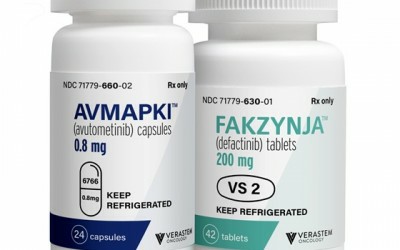
Patients took 3.2 mg avutometinib twice weekly for the first 3 weeks of the 4-week cycle and 200 mg defactinib twice daily for the first 3 weeks of the 4-week cycle. Treatment was continued until disease progression or intolerable toxicity. The primary endpoints were ORR by blinded independent review committee and RECIST 1.1 criteria. They also evaluated DOR and safety.
The median age of patients was60 years old (range 29-87). The majority of patients were white (75%) and had an ECOG performance status of 0 (72%). Local testing revealed the following KRAS mutations: G12V (53%), G12D (35%), Q61H (3.5%), G12C (1.8%), G12R (1.8%), A146V (1.8%), and mutations not otherwise specified in G12x (1.8%) and codon 12/13 (1.8%).
In addition,14% of patients had received 1 systemic therapy; 25%, 18% and 40% of patients had received 2, 3 or more treatment regimens respectively. Most patients had received hormonal therapy (84%); 40% had been exposed to bevacizumab (Avastin), and 21% had MEK inhibition.
2. Security
The median duration of combination therapy was 12 months (range 0.03-40). Severe toxicities were reported in 32% of patients. 84% and 44% of patients experienced dose interruptions and reductions due to adverse reactions (AEs), respectively. AEs resulted in permanent discontinuation of the Avmapki-Faczynja combination in 14% of patients.
At least10% of patients who received dual therapy in the trial experienced the most common adverse reactions including nausea, fatigue, rash, diarrhea, musculoskeletal pain, edema, vomiting, abdominal pain, dyspepsia, acneic dermatitis, vitreoretinal disease, stomatitis, pruritus, visual impairment, constipation, dry skin, dyspnea, urinary tract infection, cough, hair loss, dizziness and bleeding.
The approval of avutometinib plus defactinib brings a much-needed treatment option to patients and establishes this combination as the new standard of care for women with recurrent low-grade serous ovarian cancer harboring KRAS mutations. We look forward to progress on the confirmatory Phase 3 trial RAMP 301 and to continuing to support ongoing studies of this combination in women with and without KRAS mutations.
Reference materials:https://www.onclive.com/view/fda-approves-avutometinib-plus-defactinib-for-kras-mutated-recurrent-low-grade-serous-ovarian-cancer
[ 免责声明 ] 本页面内容来自公开渠道(如FDA官网、Drugs官网、原研药厂官网等),仅供持有医疗专业资质的人员用于医学药学研究参考,不构成任何治疗建议或药品推荐。所涉药品可能未在中国大陆获批上市,不适用于中国境内销售和使用。如需治疗,请咨询正规医疗机构。本站不提供药品销售或代购服务。


