
.jpeg)
What indicators need to be monitored while taking lenvatinib/lenvatinib?
Lenvatinib, as a multi-target tyrosine kinase inhibitor, has shown significant efficacy in the treatment of a variety of solid tumors (kidney cancer, liver cancer, thyroid cancer), but it also brings toxic and side effects that cannot be ignored. In order to maximize treatment benefits and minimize risks, patients need to undergo dynamic assessment of multiple monitoring indicators while taking medication. These monitoring contents not only help to identify potential complications early, but also provide important basis for doctors to adjust dosage or discontinue medication.
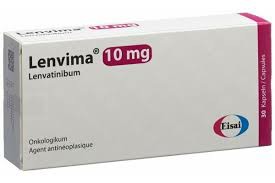
First of all, blood pressure monitoring is one of the most basic and critical follow-up components during lenvatinib treatment. Because the drug indirectly affects endothelial cell function by inhibiting the VEGF pathway, it leads to a decrease in vasodilation, which can easily lead to an increase in blood pressure. Hypertension often appears within a short period of time after taking medication, so it is recommended that patients measure their blood pressure daily and closely observe changes in blood pressure within one week after taking the medication for the first time. For patients with obvious hypertension, antihypertensive treatment needs to be initiated promptly, and the dose of lenvatinib should be adjusted according to the situation.
Secondly, the evaluation of liver and kidney function is also one of the necessary monitoring contents. The metabolism of lenvatinib is mainly carried out by the liver, and its drug clearance ability may be reduced due to impaired liver function, thereby increasing blood drug concentration and increasing the risk of toxicity. Therefore, liver enzymes (ALT, AST), bilirubin and albumin levels need to be detected before, during and after medication. Especially for liver cancer patients, a comprehensive assessment needs to be combined with the Child-Pugh score. Renal function monitoring includes quantification of serum creatinine, urea nitrogen, and urinary protein. Especially when patients taking medications for a long time develop proteinuria or edema, it is necessary to evaluate whether there is glomerular function damage.
To sum up, monitoring during lenvatinib treatment covers multiple dimensions such as blood pressure, liver and kidney function, blood routine, electrolyte levels, electrocardiogram and patient's clinical symptoms. A standardized monitoring program can not only improve patient safety, but also help achieve personalized and precise treatment.
Reference materials:https://www.lenvima.com/
[ 免责声明 ] 本页面内容来自公开渠道(如FDA官网、Drugs官网、原研药厂官网等),仅供持有医疗专业资质的人员用于医学药学研究参考,不构成任何治疗建议或药品推荐。所涉药品可能未在中国大陆获批上市,不适用于中国境内销售和使用。如需治疗,请咨询正规医疗机构。本站不提供药品销售或代购服务。


