
.jpeg)
What are the specific indications and side effects of lenvatinib/lenvatinib?
Lenvatinib/Lenvatinib (Lenvatinib), as a multi-target tyrosine kinase inhibitor, has therapeutic indications covering multiple areas of solid tumors. It is one of the targeted drugs that has attracted much attention among global oncology drugs in recent years. The main cancer types currently approved for the treatment of lenvatinib include differentiated thyroid cancer (especially after failure of radioactive iodine therapy), advanced liver cancer, and advanced kidney cancer when used in combination with immune checkpoint inhibitors. In addition, lenvatinib also shows certain therapeutic potential in some cancer types that are still in the clinical research stage, such as endometrial cancer, lung cancer, etc.
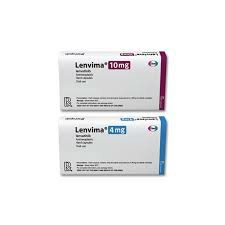
In differentiated thyroid cancer, lenvatinib is one of the first targeted drugs approved for use in patients refractory to radioactive iodine. It provides an effective means for disease control by inhibiting angiogenesis and tumor cell proliferation pathways. For hepatocellular carcinoma, lenvatinib is one of the first-line treatment options for advanced stages, especially for patients with large tumor burden and acceptable functional compensation. The treatment plan for renal cell carcinoma combined with immunotherapy is an important direction to further expand the indications. Based on the synergistic mechanism of tumor immune microenvironment regulation, it is expected to provide longer disease control time.
However, lenvatinib is also associated with certain adverse reactions in clinical application. Its side effects are closely related to its multi-target mechanism, especially in interfering with angiogenesis and cell signaling, which may affect normal tissue function. Common adverse reactions include hypertension, fatigue, proteinuria, diarrhea, anorexia, weight loss, and hand-foot syndrome. Among them, hypertension is the early side effect that requires the most vigilance. It usually appears in the early stages of medication, so close monitoring and antihypertensive treatment are required. Although proteinuria is mostly reversible, treatment interruption or dose adjustment may be necessary if it continues to worsen.
Reference materials:https://www.lenvima.com/
[ 免责声明 ] 本页面内容来自公开渠道(如FDA官网、Drugs官网、原研药厂官网等),仅供持有医疗专业资质的人员用于医学药学研究参考,不构成任何治疗建议或药品推荐。所涉药品可能未在中国大陆获批上市,不适用于中国境内销售和使用。如需治疗,请咨询正规医疗机构。本站不提供药品销售或代购服务。


