
.jpeg)
What are the advantages of fotantinib/fotantinib compared with other ITP treatments?
Fostamatinib, as a SYK (spleen tyrosine kinase) inhibitor, shows a unique mechanism of action and clinical application prospects in the treatment of chronic immune thrombocytopenia (ITP). Compared with the commonly used ITP treatment drugs currently on the market, it not only has differences in treatment mechanisms, but also provides an option that is difficult to replace with other drugs in specific patient groups. This makes fotantinib play an increasingly important role in the treatment system of chronic ITP, especially for patients who have failed frontline treatment or have poor response to other drugs.
First of all, from the perspective of pharmacological mechanism of action, fotantinib blocks the macrophage-mediated antibody-dependent platelet clearance process by inhibiting the SYK pathway. This is a mechanism that many other ITP drugs do not possess. Although current conventional drugs for the treatment of ITP, such as glucocorticoids, intravenous immune globulin (IVIG), or Rituximab, can increase platelet counts in the short term, their effects are often temporary and do not target the underlying mechanism of the disease. TPO receptor agonists (such as eltrombopag or romiplostim) indirectly improve the problem of thrombocytopenia by promoting the production of platelets by megakaryocytes in the bone marrow, but they cannot effectively prevent the destruction of existing platelets. Fotantinib works by blocking platelet destruction, providing a treatment option for patients who are refractory or intolerant to TPO agonists.
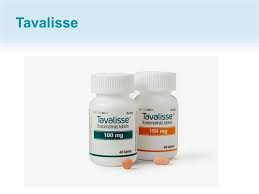
Secondly, the safety and oral administration form of fotantinib are also major advantages. Compared with IVIG and other injection treatments, it is more convenient in terms of patient compliance and is especially suitable for chronic ITP patients who require long-term maintenance treatment. Regardless of individual allergies or special metabolic conditions, fotantinib is generally well tolerated. Adverse reactions are mainly concentrated in mild to moderate gastrointestinal discomfort, hypertension, or elevated transaminase, and can usually be managed through dose adjustment and adjuvant therapy. Serious side effects that require permanent discontinuation are not prone to occur.
Furthermore, fotantinib has shown certain efficacy in patients who have failed previous treatments, which is an advantage that other drugs are difficult to achieve. For example, some patients still cannot maintain platelet counts at safe levels after taking steroids and TPO receptor agonists, but their platelet levels have increased clinically after switching to fotantinib. This kind of "post-treatment" advantage is an important part of fotantinib's treatment strategy.
In addition, research on fotantinib has also shown its potential in other autoimmune diseases other than ITP, such as rheumatoid arthritis, IgA nephropathy, polymyalgia rheumatica, etc. This indicates that fotantinib is not limited to ITP treatment, and its SYK inhibitory effect may be equally effective in a wider range of autoimmune mechanisms, which also provides the possibility for future clinical expansion.
However, fotantinib is not suitable for allITP patients. For example, fotantinib may not be the first choice for patients whose initial disease is mild and can be resolved with short-term hormonal therapy. It is more suitable for patients with chronic ITP who are unresponsive to conventional treatment, have strong relapse, or require long-term maintenance treatment. In addition, blood pressure and liver function need to be monitored during medication to prevent possible hypertension or abnormal liver function.
Reference materials:https://go.drugbank.com/drugs/DB12010
[ 免责声明 ] 本页面内容来自公开渠道(如FDA官网、Drugs官网、原研药厂官网等),仅供持有医疗专业资质的人员用于医学药学研究参考,不构成任何治疗建议或药品推荐。所涉药品可能未在中国大陆获批上市,不适用于中国境内销售和使用。如需治疗,请咨询正规医疗机构。本站不提供药品销售或代购服务。


