
.jpeg)
What types of diseases does the targeted drug Axitinib mainly treat?
Axitinib (Axitinib) is a new type of oral small molecule targeted drug, which belongs to the tyrosine kinase inhibitor (TKI) class. It mainly blocks tumor angiogenesis by inhibiting the vascular endothelial growth factor receptor (VEGFR) signaling pathway, thereby inhibiting tumor growth and metastasis. In clinical practice, axitinib has been widely used in the treatment of various cancers, especially in the treatment of renal cancer.
Currently, the main indication for axitinib is advanced clear cell renal cell carcinoma (RCC), especially for patients who have failed previous systemic therapy. Its efficacy in this indication has been confirmed by multiple international large-scale clinical studies, and it can significantly extend the progression-free survival and overall survival of patients. Compared with traditional cytotoxic chemotherapy, axitinib has more controllable side effects and is convenient to take, making it the first choice for second-line or follow-up treatment for many patients with advanced renal cancer.
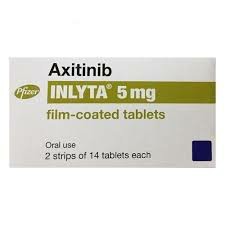
In recent years, axitinib has also been used in combination with immune checkpoint inhibitors (such as pembrolizumab) and has shown good therapeutic promise in patients with untreated advanced kidney cancer. This combination regimen is superior to single-agent therapy in extending patient survival and improving response rates, making it a strong option for first-line treatment. With the deepening of research, this type of combined immune + targeted regimen provides a more effective solution for the comprehensive treatment of advanced renal cancer.
In addition to kidney cancer, researchers are also exploring the potential value of axitinib in other solid tumors, including thyroid cancer, lung cancer, liver cancer, etc. However, these indications are still in the clinical trial stage and have not yet been widely used in standard treatment guidelines. Overall, axitinib currently focuses on clear cell renal cell carcinoma as its core therapeutic area. Its mechanism of targeting angiogenesis-related pathways also provides new research directions for the treatment of other malignant tumors.
Reference materials:https://en.wikipedia.org/wiki/Axitinib
[ 免责声明 ] 本页面内容来自公开渠道(如FDA官网、Drugs官网、原研药厂官网等),仅供持有医疗专业资质的人员用于医学药学研究参考,不构成任何治疗建议或药品推荐。所涉药品可能未在中国大陆获批上市,不适用于中国境内销售和使用。如需治疗,请咨询正规医疗机构。本站不提供药品销售或代购服务。


