
.jpeg)
What are the possible dangers of taking dabrafenib? Potential risks and reactions for patients after use
Dabrafenib is an oral targeted drug targeting BRAF V600E mutations. It is commonly used to treat advanced melanoma, non-small cell lung cancer and other BRAF mutation-related tumors. Although dabrafenib has brought significant clinical effects to many patients and prolonged survival, like all anti-cancer drugs, its use is also accompanied by a series of adverse reactions and potential risks that cannot be ignored. Understanding these possible hazards can help patients respond more rationally and intervene in a timely manner during the treatment process, thereby ensuring the safety and therapeutic effect of medication.
First of all, the most common adverse reaction of dabrafenib is fever (pyrexia). In clinical use, fever is one of the most common side effects of dabrafenib alone or in combination with trametinib, and is sometimes accompanied by chills, fatigue, dehydration and even hypotension. Some patients develop high fever within days to weeks after taking the medication, and in severe cases, medication needs to be suspended or the dose adjusted. If the fever persists or is accompanied by other symptoms, you should seek medical treatment in time. Doctors will usually recommend the use of symptomatic drugs (such as antipyretic and analgesics), or if necessary, temporarily stop taking the drug and wait until the body temperature recovers before re-evaluating whether to resume treatment.
Second, dabrafenib may cause skin-related adverse reactions, including rash, dry skin, pigmentation changes, skin itching, and even rare skin cancers (such as squamous cell carcinoma). Although most skin discomforts are mild to moderate, it is still recommended that patients undergo regular skin examinations while taking the drug to identify abnormal changes in a timely manner. Especially when trametinib is used concomitantly, the incidence of skin side effects may be higher. For mild rashes, you can use emollient or topical hormone ointment to relieve it; if the symptoms are severe, you should seek medical advice in time to evaluate whether the treatment plan needs to be adjusted.
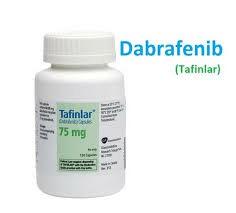
Thirdly, dabrafenib may have certain effects on liver and kidney function. Some patients experience liver function abnormalities such as elevated liver enzymes (such as ALT, AST), elevated bilirubin, etc. during medication. Therefore, it is recommended to regularly monitor liver function indicators before medication and during treatment, especially for patients with a history of chronic liver disease or who are taking other drugs that affect liver metabolism. Likewise, individual patients may develop minor abnormalities in renal function or electrolyte disorders, such as hyperphosphatemia, hyponatremia, etc., which require regular evaluation through blood tests.
In addition, dabrafenib may cause neurological, ophthalmic, or other systemic effects. For example, some patients experience non-specific symptoms such as headache, joint pain, fatigue, nausea, vomiting, and loss of appetite during medication. Although these reactions are not necessarily serious, if they last for a long time or affect the quality of life, they should communicate with their doctor whether intervention is needed. For eye side effects, such as blurred vision, dry eyes, or iritis, seek medical attention immediately for professional examination.
During long-term use, you also need to be alert to cardiotoxicity issues. Dabrafenib may affectQTinterval (a measure on an electrocardiogram), thereby increasing the risk of arrhythmias. Therefore, if you have a history of heart disease or are taking other drugs that affect the ECG, you must use it under the guidance of a doctor and receive regular ECG monitoring. This risk is slightly increased and requires special attention when used in combination with trametinib.
To sum up, dabrafenib, as a clinically important targeted therapy drug, has definite efficacy in inhibiting BRAF mutated cancers, but its use also has potential hazards such as fever, skin reactions, liver and kidney damage, and cardiotoxicity. During the period of use, patients should strictly follow the doctor's instructions to take the medicine, maintain regular examinations, report physical abnormalities in a timely manner, and cooperate with the doctor for dose adjustment or symptomatic treatment, so as to improve the curative effect and minimize the impact of adverse reactions. For patients considering long-term use, it is also recommended to discuss the balance of risks and benefits with their attending physician and establish a good follow-up mechanism to ensure the continuity and safety of treatment.
Reference materials:https://go.drugbank.com/drugs/DB08912
[ 免责声明 ] 本页面内容来自公开渠道(如FDA官网、Drugs官网、原研药厂官网等),仅供持有医疗专业资质的人员用于医学药学研究参考,不构成任何治疗建议或药品推荐。所涉药品可能未在中国大陆获批上市,不适用于中国境内销售和使用。如需治疗,请咨询正规医疗机构。本站不提供药品销售或代购服务。


