
.jpeg)
What is Anamorelin and what is its therapeutic effect?
Anamorelin (Anamorelin) is a new oral small molecule drug that mainly acts on the gastrin/growth hormone secretion pathway and is classified as a selective ghrelin receptor agonist. Its most prominent application areas are nutritional support and weight management in patients with cancer cachexia. Cancer cachexia is a metabolic syndrome that is closely related to tumor progression and is common in patients with advanced cancer. It is characterized by severe weight loss, muscle loss, and loss of appetite, which often has a serious impact on patients' quality of life and treatment tolerance. By imitating the action of the gastric hunger hormone ghrelin, Anamorelin promotes the release of growth hormone from the hypothalamus, thereby enhancing appetite, increasing food intake, further stimulating protein synthesis, promoting muscle formation, and comprehensively improving physical fitness.
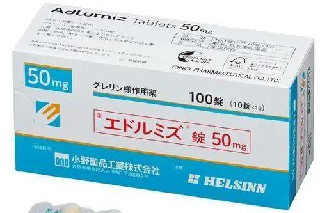
Unlike traditional nutritional support or steroid orexigenic drugs, the advantage of anamorelin is that it can simultaneously improve body weight and muscle mass, which is particularly important in combating the systemic debilitating state caused by cancer. By acting on the central appetite regulation center and peripheral metabolic pathways, it not only increases the patient's desire to eat, but also indirectly regulates the levels of inflammatory factors and metabolic status, and has a positive impact on the overall physical status. Although anamorelin is not a direct anti-cancer drug, it provides an important supportive treatment option in comprehensive cancer treatment, helping to improve patients' tolerance to chemotherapy, radiotherapy and other treatments, and may prolong survival time.
The drug is currently approved for the treatment of cachexia caused by non-small cell lung cancer in Japan and other countries, and is also undergoing clinical research and review in Europe and the United States. Due to its relatively unique mechanism and relatively mild side effect spectrum, it has become an important research focus in the field of cancer supportive care in recent years. If it can be approved on a wider scale, it is expected to become a key means to improve the quality of life for patients with various tumors including lung cancer, gastric cancer, pancreatic cancer, etc.
Reference materials:https://pmc.ncbi.nlm.nih.gov/articles/PMC4677053/
[ 免责声明 ] 本页面内容来自公开渠道(如FDA官网、Drugs官网、原研药厂官网等),仅供持有医疗专业资质的人员用于医学药学研究参考,不构成任何治疗建议或药品推荐。所涉药品可能未在中国大陆获批上市,不适用于中国境内销售和使用。如需治疗,请咨询正规医疗机构。本站不提供药品销售或代购服务。


