
.jpeg)
Dasatinib plus CAR T-cell therapy is effective in Ph+ acute lymphoblastic leukemia
According toJAMA Data published in Oncology from a nonrandomized phase 2 study (NCT04788472) of first-line treatment with dasatinib followed by sequential CAR in patients with newly diagnosed Philadelphia chromosome (Ph)-positive acute lymphoblastic leukemia (ALL) T-cell therapy and maintenance dasatinib monotherapy resulted in acceptable safety responses.
All28 patients completed 2 weeks of induction therapy with vindesine, dexamethasone and continuous dasatinib 100 mg daily. The complete hematological response rate (CHR) was 100% (95% CI, 88%-100%), and the complete molecular response rate (CMR) was 25% (95% CI, 11%-45%). After 1 patient who achieved CHR due to dasatinib-related effects withdrew, the remaining 27 patients continued to receive CD19-targeted CAR T cell therapy; these patients were included in the efficacy analysis. After CAR T, the CMR rate was 85% (95% CI, 66% ~ 96%), significantly exceeding the preset critical value P < 0.001, and leading to the rejection of the null hypothesis. A total of 25 patients completed sequential treatment with CD22-targeted CAR T-cell therapy and subsequently achieved a CMR rate of 76% (95% CI, 55%-91%).
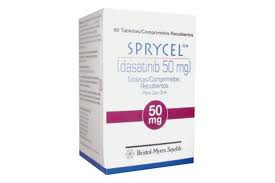
Results from this trial suggest that the combination of CAR T-cell therapy and dasatinib has encouraging efficacy and acceptable toxicities compared with first-line treatment in adults with newly diagnosed Ph-positive ALL. According to the study authors, the first patients underwent 2 weeks of induction, and those who achieved CHR received sequential CD19- and CD22-targeted CAR T-cell therapy, which was associated with reduced relapses in relapsed/refractory B-cell ALL. CAR T cells were administered at a target dose of 2 × 10⁶ cells/kg after lymphodepletion consisting of fludarabine and cyclophosphamide. All patients were given single-agent dasatinib at a daily maintenance dose of 100 mg.
The primary endpoint of the trial isCMR after CD19-targeting CAR T-cell therapy. Secondary endpoints include CMR after CD22-targeting CAR T-cell therapy, leukemia-free survival (LFS), overall survival (OS) and safety. The researchers also examined characteristics associated with leukemia recurrence.
During the study period, there were28 patients participated in this study. The median age of patients was 48.5 years (range 18.0-69.0), and the majority were female (64%). The median white blood cell count at diagnosis was 19,400 μL (range 1,700-553,700), with p190 fusion protein present in slightly more than half (57%). Other genetic abnormalities include IKZF1 alterations (21%), PAX5 rearrangements (7%), KMT2D variants (7%), RUNX1 alterations (7%), ZNF384 rearrangements (4%), hypodiploidy (4%), and CDKN2A/B deletions (4%).
The median time from conditioning to dasatinib treatment, from initiation of induction to apheresis, from apheresis and infusionCD19-targeted CAR T cell therapy, and the time between two infusions were 4.5 days (range 1-8), 41 days (range 29-56), 15 days (range 8-97), and 88 days (range 59-186), respectively.
Additional efficacy data showed that with a median follow-up of 23.9 months (range 7.3-47.7), two hematologic relapses were reported; both patients had baseline IKZF1 deletions and died from disease progression. At the data cutoff date of February 10, 2025, 78% (95% confidence interval, 58%-91%) continued to be in CMR status. Additionally, four patients remained in BCR/ABL1-positive CHR, which the researchers noted was persistent (range 11.9-42.8). Additionally, OS and LFS rates at 2 years were 92% (95% CI, 82% to 100%), although worse OS (100% vs. 66.7%; P = 0.01) and LFS (100% vs. 66.7%; P = 0.01) were noted in patients with altered baseline IKZF1 versus those without.
In terms of safety, the most commonly reported grade 3 or higher toxicities were hematologic, and they were thought to be related to induction and lymphodepletion. Of the 52 CAR T-cell therapies used, 21 cases of cytokine release syndrome were reported as grade 1. There were no cases of immune effector cell-related neurotoxic syndrome.
The study authors concluded: Major limitations include the short follow-up period and relatively small sample size. Continued monitoring and larger-scale future studies are warranted.
References:https://www.onclive.com/view/dasatinib-plus-car-t-cell-therapy-shows-efficacy-in-ph-acute-lymphoblastic-leukemia
[ 免责声明 ] 本页面内容来自公开渠道(如FDA官网、Drugs官网、原研药厂官网等),仅供持有医疗专业资质的人员用于医学药学研究参考,不构成任何治疗建议或药品推荐。所涉药品可能未在中国大陆获批上市,不适用于中国境内销售和使用。如需治疗,请咨询正规医疗机构。本站不提供药品销售或代购服务。


