
.jpeg)
How long should I take pirfenidone before I can consider stopping treatment?
Pirfenidone is an anti-fibrotic drug used to treat idiopathic pulmonary fibrosis (IPF). Its mechanism of action is mainly to slow down the progression of pulmonary fibrosis by inhibiting fibrosis-related pathways such as transforming growth factor (-β). Since idiopathic pulmonary fibrosis is a chronic progressive disease, the treatment principle of pirfenidone is usually long-term continuous use to delay disease progression and improve patients' quality of life.
Normally, the treatment cycle of pirfenidone does not have a clear "fixed time". Instead, it is evaluated individually based on the patient's disease progression, medication response, and adverse reactions. If the patient's lung function is stable after taking the drug and there are no obvious adverse reactions, doctors will often recommend continued use of the drug to maintain the efficacy and delay the further development of pulmonary fibrosis. Blindly stopping the medication after taking the medication for a short period of time may lead to a rebound or progression of the condition, so voluntary discontinuation of the medication is not recommended.
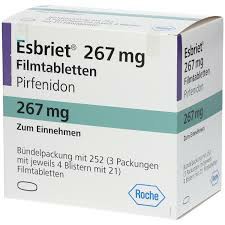
Of course, doctors may consider adjusting or stopping pirfenidone treatment under the following circumstances: first, the patient experiences serious adverse reactions during use, such as persistent liver function damage, severe rash, or gastrointestinal discomfort; second, the continued decline in lung function indicates poor efficacy of the drug; third, the patient has developed to an advanced stage of the disease, and drug intervention has limited significance, and needs to be turned to supportive care. In these cases, doctors will make scientific judgments based on the condition and decide whether to stop the medication or change the treatment plan.
To sum up, pirfenidone treatment usually requires long-term use, and it is not recommended to set the withdrawal time by yourself. Whether the medication can be stopped should be based on a comprehensive evaluation of pulmonary function tests, imaging changes and overall clinical performance, and decisions should be made under the guidance of professional doctors. During the medication period, patients should regularly review lung function, liver function and other indicators, and cooperate with doctors for follow-up visits to ensure the safety and effectiveness of treatment.
Reference materials:https://www.esbriet.com/
[ 免责声明 ] 本页面内容来自公开渠道(如FDA官网、Drugs官网、原研药厂官网等),仅供持有医疗专业资质的人员用于医学药学研究参考,不构成任何治疗建议或药品推荐。所涉药品可能未在中国大陆获批上市,不适用于中国境内销售和使用。如需治疗,请咨询正规医疗机构。本站不提供药品销售或代购服务。


