
.jpeg)
Is the targeted drug giritinib effective in treating leukemia?
Gilitinib is an oral small molecule targeted drug, mainly used to treat patients with acute myeloid leukemia (AML) carrying FLT3 mutations. FLT3 mutation is one of the most common gene mutations in acute myeloid leukemia, accounting for about AML about 30% of the total number of AML patients, and is closely related to poor prognosis. Targeted therapy for this mutation can significantly improve the accuracy and efficacy of treatment, and giritinib is currently one of the most widely used FLT3 inhibitors in clinical practice.
The mechanism of action of giritinib is through selective inhibition of FLT3tyrosine kinases, including FLT3-ITD and FLT3-TKD two common mutation types. This mechanism can block the abnormal proliferation signals of leukemia cells and induce their apoptosis, thereby achieving the therapeutic purpose of controlling the disease and prolonging survival. Especially for patients with relapsed or refractory FLT3 mutated AML, traditional chemotherapy has limited effect, and giritinib provides a new treatment option for these patients.
In clinical studies, the efficacy of giritinib has been fully verified. The most representative study is the ADMIRAL III phase clinical trial. This global multi-center study compared the efficacy of giritinib with standard chemotherapy in FLT3mutated AML patients. The results showed that the median overall survival of the geritinib treatment group was 9.3 months, while that of the control group was only 5.6 months, and the complete response (CR) rate was also significantly higher. More importantly, giritinib treatment is well tolerated. Compared with traditional chemotherapy, patients have milder adverse reactions and significantly improve their quality of life.
In actual clinical applications, giritinib is often used as monotherapy for patients with relapsed or refractory FLT3 mutationsAML, and can also be used as a bridge treatment option for hematopoietic stem cell transplantation. Some patients successfully achieved complete remission under giritinib treatment and successfully underwent allogeneic transplantation, further increasing the possibility of long-term cure. In addition, for some patients who are not suitable for transplantation or who are older, long-term use of giritinib can also stabilize their condition and buy them more survival time.
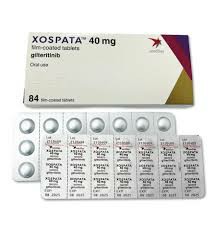
Of course, although gilitinib has remarkable efficacy, it also has its limitations. Some patients may develop drug resistance after a period of treatment. Common mechanisms include de novo FLT3 mutations or variations in the kinase signaling pathway. Therefore, during the use of giritinib, doctors need to closely monitor changes in the condition. Once the efficacy is found to have diminished, the treatment plan should be adjusted in a timely manner, such as combining it with other targeted drugs or immunotherapy. In addition, common side effects of giritinib include abnormal liver function, anemia, electrolyte imbalance, fatigue, etc. Most of them are mild to moderate and can be alleviated through symptomatic treatment or dose adjustment.
At present, giritinib has been approved for marketing in China, but it has not yet been included in medical insurance. It may be difficult for patients to purchase it directly in domestic hospitals. In foreign markets, giritinib has both high-priced original drugs, such as the Hong Kong and European versions, which cost up to about 100,000 yuan, and more affordable Laotian generic drugs, which only cost between one thousand and two thousand yuan. The drug ingredients are consistent with the original drug, providing patients with more economic choices.
In general, as a targeted drug for the treatment of FLT3 mutated acute myeloid leukemia, geritinib’s efficacy has been fully verified clinically, and it is especially suitable for relapsed or refractory patients. It not only improves the response rate and overall survival, but is also more tolerable due to relatively minor side effects, greatly improving the treatment prospects for these patients. In the future, with the accumulation of more research data and the development of combination treatment strategies, giritinib is expected to play a more important role in the treatment of AML and bring hope of life to more patients.
Reference materials:https://www.xospata.com/
[ 免责声明 ] 本页面内容来自公开渠道(如FDA官网、Drugs官网、原研药厂官网等),仅供持有医疗专业资质的人员用于医学药学研究参考,不构成任何治疗建议或药品推荐。所涉药品可能未在中国大陆获批上市,不适用于中国境内销售和使用。如需治疗,请咨询正规医疗机构。本站不提供药品销售或代购服务。


