
.jpeg)
What is the difference in safety between ruxolitinib tablets and Fedratinib in the treatment of myelofibrosis?
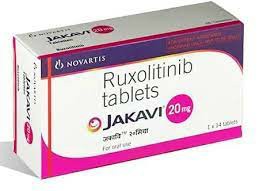
Ruxolitinib tablets/Ruxolitinib (JAKAVI) and Fedratinib are both JAK kinase inhibitor drugs. They are currently mainly used to treat myeloproliferative tumors such as myelofibrosis (MF). Although both can improve patients' splenomegaly, control symptoms, and improve quality of life, in clinical practice, there are certain differences in their safety profiles, which deserve the attention of patients and medical staff when choosing treatment options.
Ruxolitinib is the first JAK1/JAK2 dual inhibitor approved for myelofibrosis. Its widespread use has accumulated a lot of long-term use data. The drug has a significant effect in improving systemic symptoms such as fatigue, night sweats, and bone pain. It also has good performance in reducing the size of the spleen. However, ruxolitinib also affects normal hematopoietic cells while inhibiting JAK2. Common adverse reactions include anemia, thrombocytopenia and neutropenia. Particularly, patients with low baseline blood cell counts are at higher risk of developing severe anemia or requiring transfusion support during treatment. Additionally, due to its immunomodulatory effects, patients may be at risk for shingles, pneumonia, or other opportunistic infections during treatment, so close monitoring for signs of infection early in treatment is key to preventing complications.
In contrast,Fedratinib is a more selective JAK2 inhibitor that was approved later for the treatment of intermediate- and high-risk myelofibrosis. Because it does not inhibit JAK1, it has a relatively low incidence of certain immune-related side effects, and may theoretically be more suitable for patients who are intolerant or have failed treatment with ruxolitinib. However, Fedratinib was initially shelved during development due to the risk of Wernicke's encephalopathy associated with vitamin B1 (thiamine) deficiency. Although subsequent studies found that the complication rate was low and manageable with appropriate monitoring, this potential neurotoxicity was cited as a unique safety warning. Therefore, before using Fedratinib, the patient's nutritional status needs to be assessed, vitamin B1 supplemented if necessary, and alertness to neurological signs maintained during treatment.
In addition to central nervous system-related problems,Fedratinib often causes gastrointestinal reactions such as nausea, diarrhea, vomiting, etc., which is related to its inhibition of multiple targets such as JAK2 and FLT3. Some patients may need to rely on supportive antiemetic medications during the initial stages of treatment. Although most of these side effects are mild to moderate, they may affect a patient's tolerance and compliance with treatment. Therefore, individualized drug selection has become a core principle of clinical practice.
Taken together, ruxolitinib is suitable for most patients with initial myelofibrosis treatment due to its widespread use and clear dose adjustment strategy, but caution is required in cases of severe myelosuppression or recurrent infections. Fedratinib, as a later-line treatment option, provides new treatment possibilities for patients with ruxolitinib resistance or intolerance, especially in groups driven by JAK2 mutations and with poorly controlled symptoms. It shows certain advantages. Although the risk of Wernicke's encephalopathy is low, gastrointestinal tolerance and nutritional monitoring are still important aspects that cannot be ignored during use.
Reference materials:https://www.jakavi.com/
[ 免责声明 ] 本页面内容来自公开渠道(如FDA官网、Drugs官网、原研药厂官网等),仅供持有医疗专业资质的人员用于医学药学研究参考,不构成任何治疗建议或药品推荐。所涉药品可能未在中国大陆获批上市,不适用于中国境内销售和使用。如需治疗,请咨询正规医疗机构。本站不提供药品销售或代购服务。


