
.jpeg)
What are the differences between enzalutamide/enzalutamide and bicalutamide?
Enzalutamide/Enzalutamide ( Enzalutamide) and bicalutamide (Bicalutamide) are both androgen receptor antagonists commonly used to treat prostate cancer, but they have essential differences in their pharmacological mechanisms, scope of indications, intensity of action, and clinical strategies. Bicalutamide is a first-generation non-steroidal androgen receptor antagonist, which mainly slows down the proliferation of cancer cells by preventing androgen from binding to the receptor. However, the drug has a certain degree of partial agonism, and may have a stimulating effect on prostate cancer cells when androgen levels are low. Especially during long-term use, its efficacy may gradually decrease.
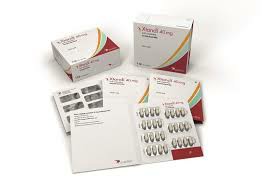
In contrast, enzalutamide is a new generation of androgen signaling pathway inhibitors with a more comprehensive mechanism of action. It not only competitively inhibits the binding of androgens to their receptors, but also prevents receptors from translocating to the nucleus and interfering with transcriptional activity on DNA, almost cutting off androgen pathway signals from multiple links. Therefore, it is considered to be more advantageous in the treatment of androgen-sensitive or castration-resistant prostate cancer. In addition, enzalutamide does not need to be combined with gonadotropin-releasing hormone analogs to exert independent anti-cancer effects, making the treatment strategy more flexible.
Although bicalutamide is cheaper and has relatively mild side effects, enzalutamide's advantages in drug resistance, response time, and overall survival make it gradually become an important first-line treatment option for prostate cancer. Especially in the castration-resistant stage, the widespread use of enzalutamide is recommended by multiple international guidelines. Overall, enzalutamide represents a new standard of treatment for androgen pathway blockade, while bicalutamide still has room for use in certain resource-limited or low-risk patients. Clinical selection needs to be comprehensively judged based on the patient's specific situation, disease stage and tolerance.
Reference materials:https://www.xtandi.com/
[ 免责声明 ] 本页面内容来自公开渠道(如FDA官网、Drugs官网、原研药厂官网等),仅供持有医疗专业资质的人员用于医学药学研究参考,不构成任何治疗建议或药品推荐。所涉药品可能未在中国大陆获批上市,不适用于中国境内销售和使用。如需治疗,请咨询正规医疗机构。本站不提供药品销售或代购服务。


