
.jpeg)
What are the precautions for taking ibrutinib/ibrutinib and how to avoid risks?
Ibrutinib (Ibrutinib) is a Bruton's tyrosine kinase (BTK) inhibitor, mainly used for the treatment of B-cell malignant tumors such as chronic lymphocytic leukemia (CLL), mantle cell lymphoma (MCL) and Waldenstrom's macroglobulinemia (WM). In clinical application, patients need to strictly follow medication specifications to maximize the therapeutic effect and reduce the occurrence of adverse reactions. First of all, ibrutinib is an oral preparation and it is recommended to take it at the same time every day to maintain stable blood concentration. Do not chew, crush or open the capsule. It is recommended to take it on an empty stomach or with a light meal to avoid taking it with high-fat meals at the same time, which will affect the efficacy of the medicine.
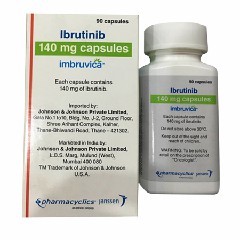
It is important to note that ibrutinib is metabolized byCYP3A enzyme, so the risk of drug interactions related to this enzyme is higher. Patients should avoid using strong CYP3A inhibitors (such as ketoconazole, clarithromycin) or inducers (such as rifampicin, carbamazepine) during medication to prevent excessive blood concentration or reduced efficacy. In addition, ibrutinib has certain antiplatelet and anticoagulant effects, and there is a risk of bleeding. Patients receiving this drug, especially when combined with anticoagulants such as aspirin and warfarin, should be particularly careful about preoperative bleeding and suspend the drug. If dental surgery, endoscopy or other invasive procedures are necessary, it is recommended to briefly discontinue the drug under the guidance of a doctor to reduce the risk of bleeding.
Common adverse reactions of ibrutinib include diarrhea, fatigue, rash, muscle soreness, etc., which are usually mild and can be alleviated through symptomatic treatment. However, atrial fibrillation is one of its more serious adverse events, especially in older patients or those with a history of heart disease. Therefore, during treatment, electrocardiogram and electrolytes should be monitored regularly, and symptoms such as chest tightness and palpitations should be alerted. If necessary, the treatment plan should be adjusted or combined with cardioprotective drugs.
Reference materials:https://www.imbruvica.com/
[ 免责声明 ] 本页面内容来自公开渠道(如FDA官网、Drugs官网、原研药厂官网等),仅供持有医疗专业资质的人员用于医学药学研究参考,不构成任何治疗建议或药品推荐。所涉药品可能未在中国大陆获批上市,不适用于中国境内销售和使用。如需治疗,请咨询正规医疗机构。本站不提供药品销售或代购服务。


